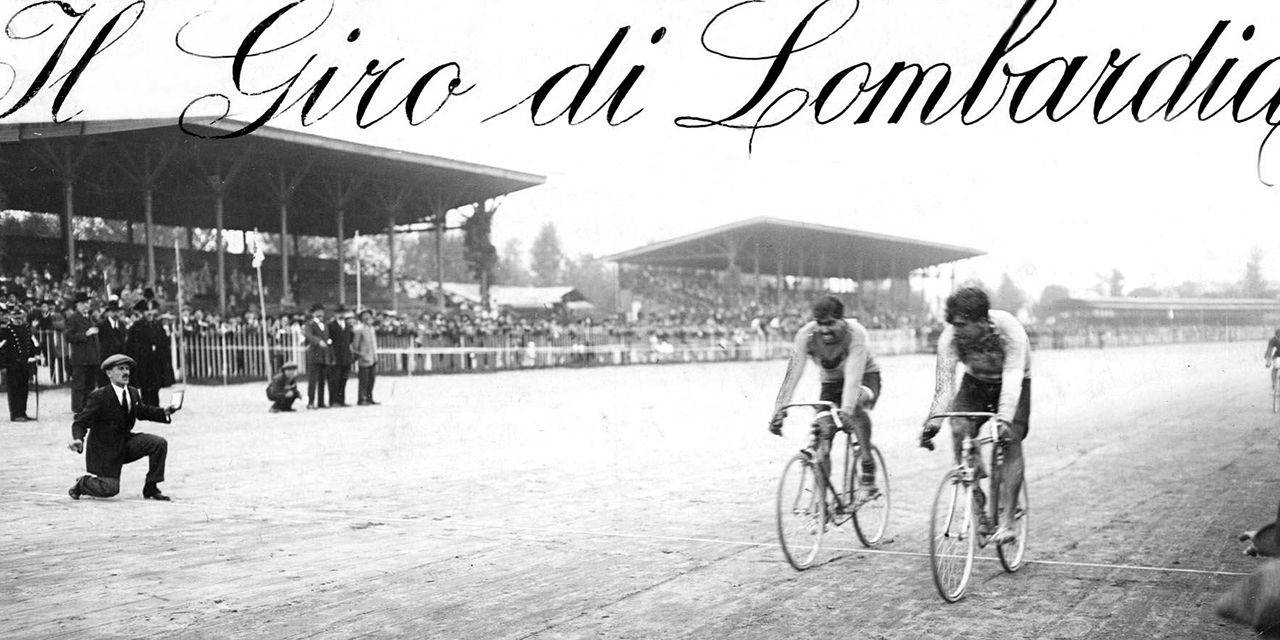
Start and Finish in Milan
Il Lombardia was born almost by chance, following a curious chain of events.
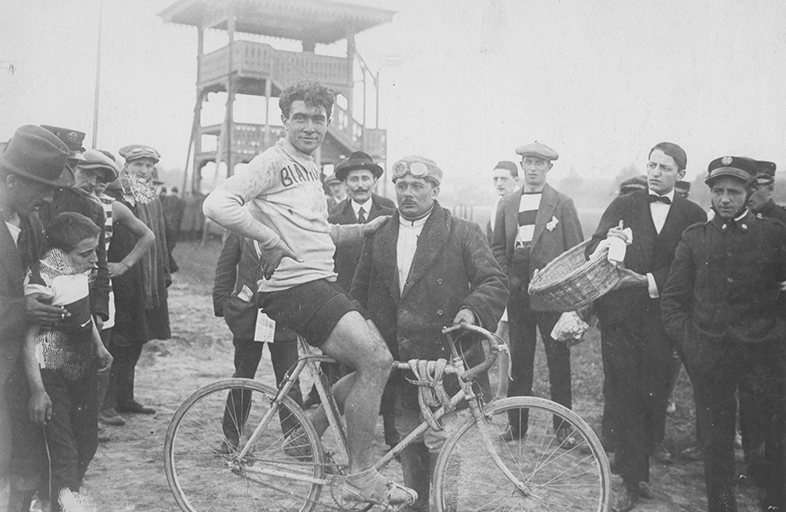
After Pierino Albini was defeated by Giovanni Cuniolo in the Coppa del Re at Milan’s Trotter Velodrome, La Gazzetta dello Sport decided to organise a new race on 12 November 1905, giving Albini the opportunity for an immediate rematch. The event was named the Giro di Lombardia and was conceived as the final race of the cycling season. The inaugural edition proved to be an outstanding organisational success and was won by Giovanni Gerbi, one of the leading stars of a sport that was rapidly growing in popularity.
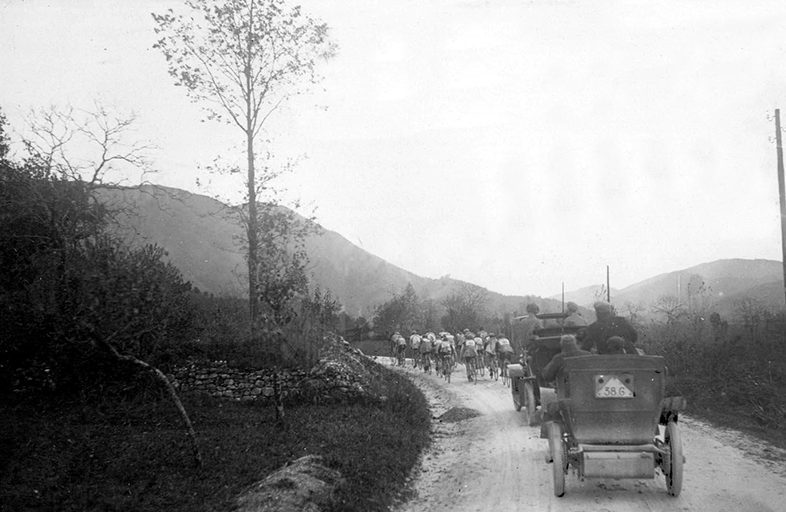
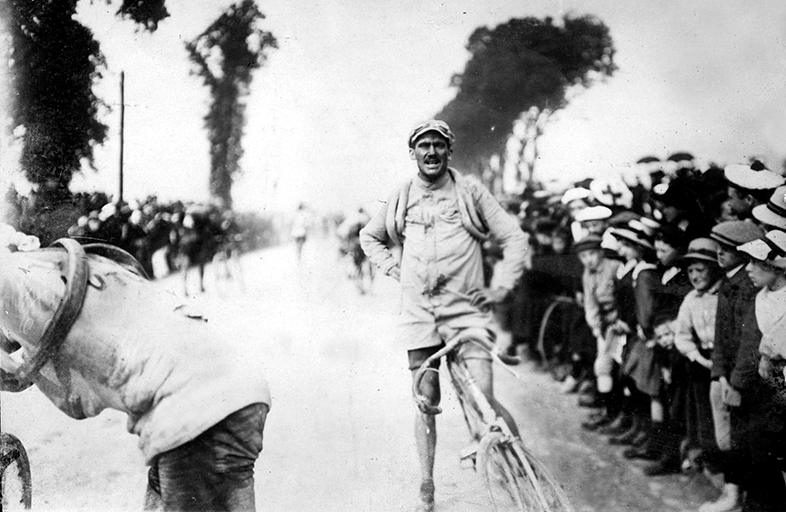
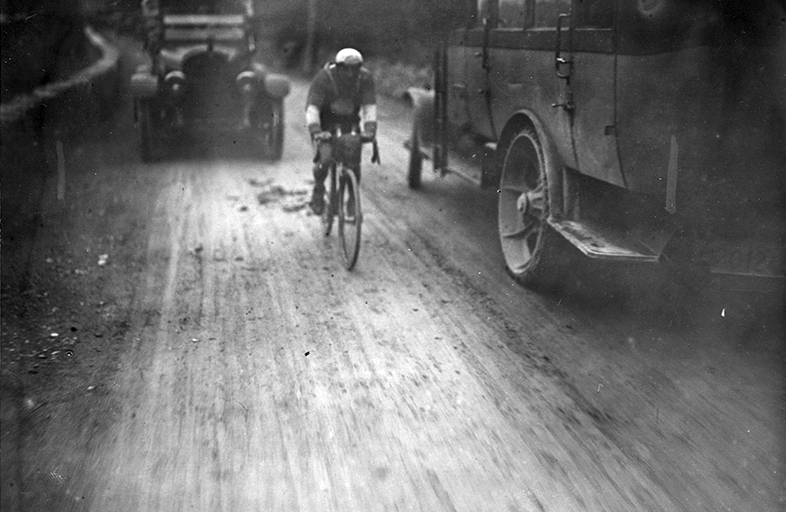
It quickly became an unmissable fixture on the cycling calendar, a tradition that endured through every era and was even one of the very few races not to be interrupted during the First World War.
Its legend was forged by some of the greatest champions in cycling history: Costante Girardengo claimed three victories (1919, 1921 and 1922), Alfredo Binda won four (1925, 1926, 1927 and 1931), Gino Bartali triumphed three times (1936, 1939 and 1940), while Fausto Coppi set the benchmark with five victories, including four consecutive successes between 1946 and 1949 before adding a fifth in 1954.
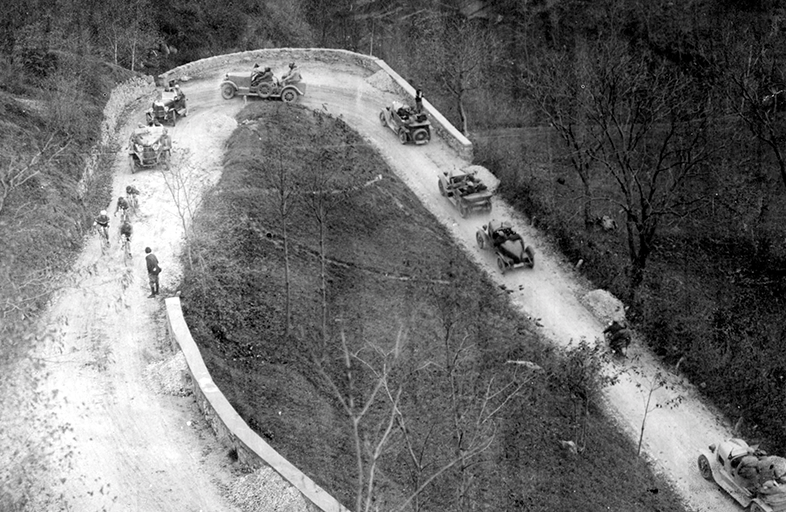
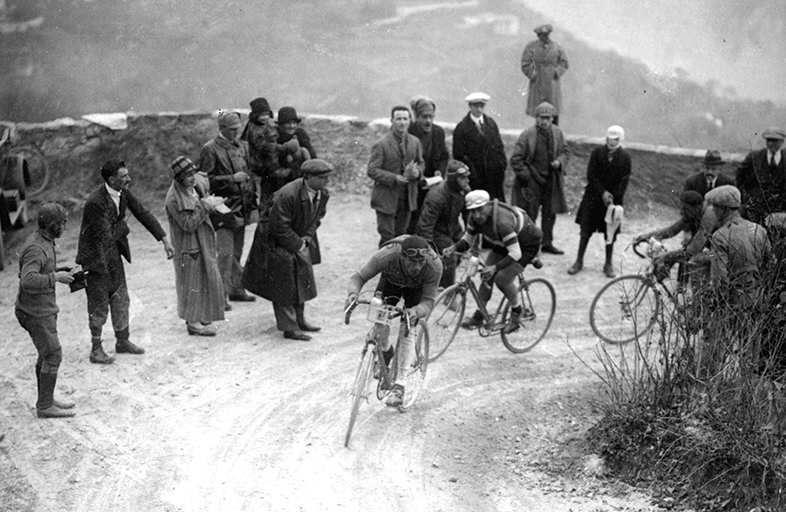
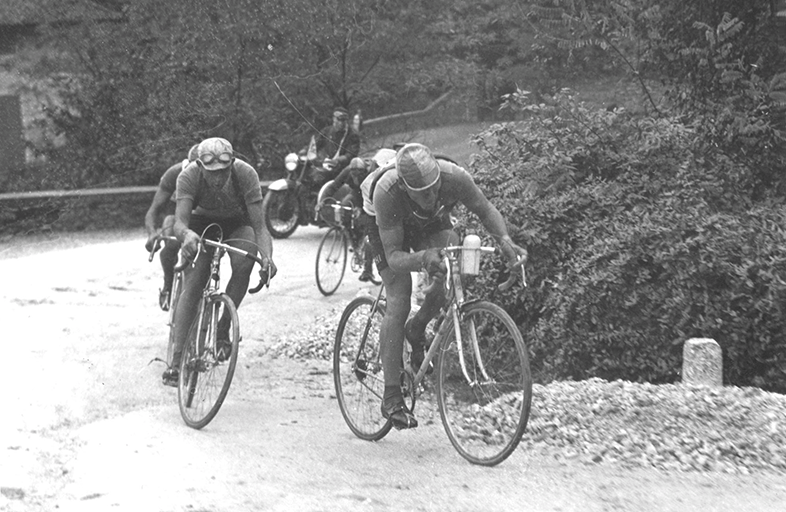
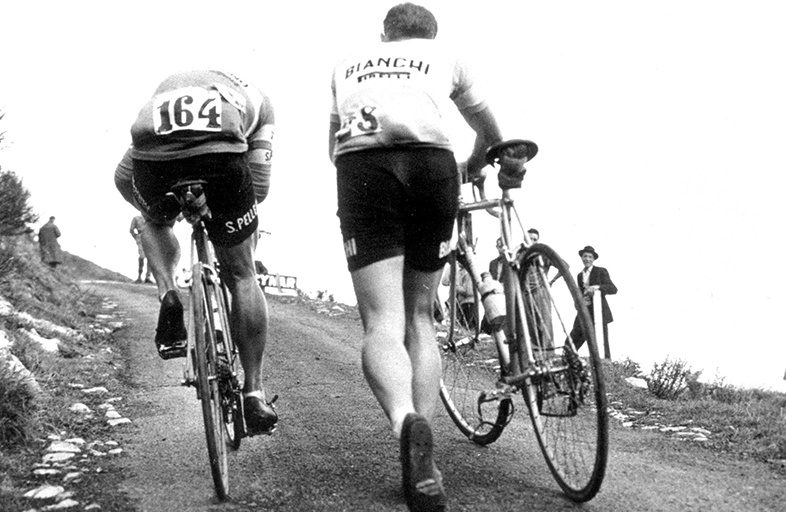
In 1919, the climb to the Madonna del Ghisallo, the patron saint of cyclists, was introduced into the route, beginning its transformation into the defining symbol of the Race of the Falling Leaves.
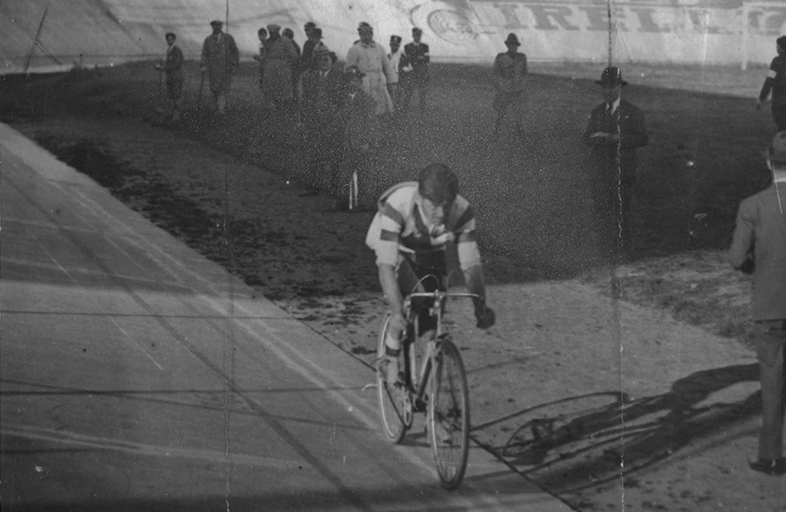
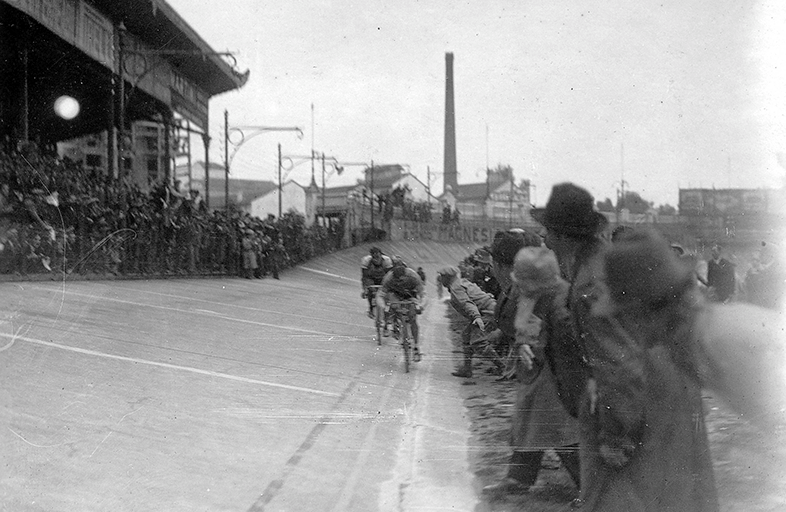
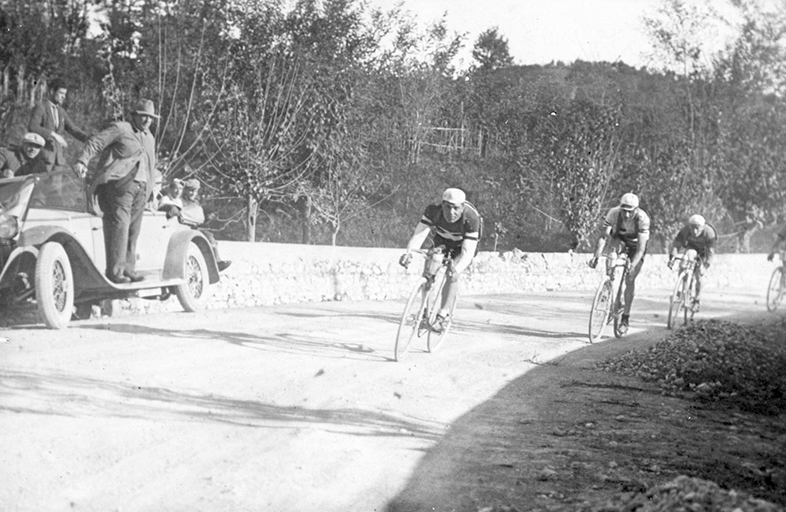
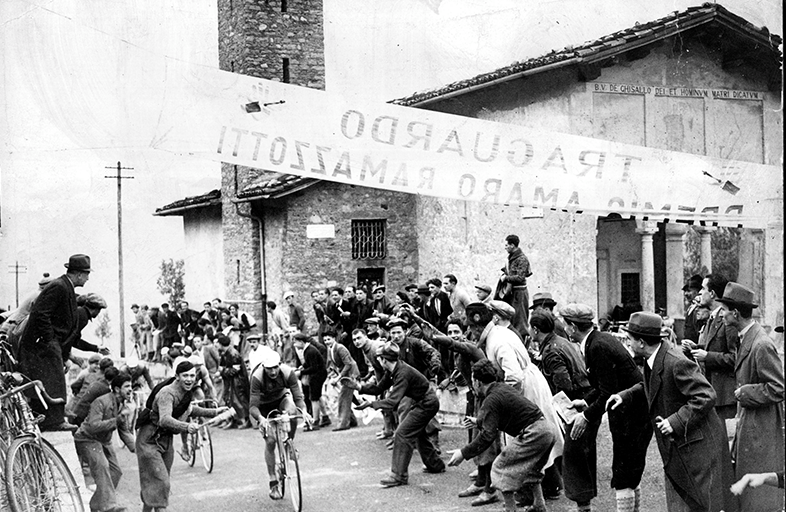
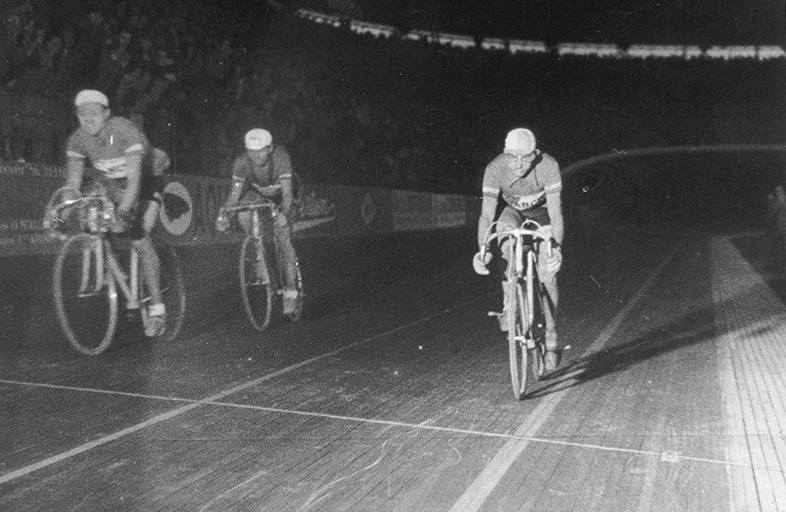
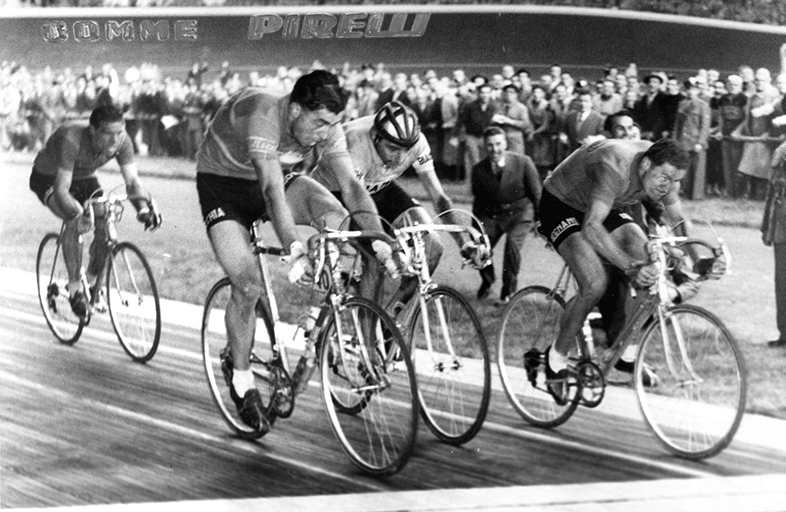
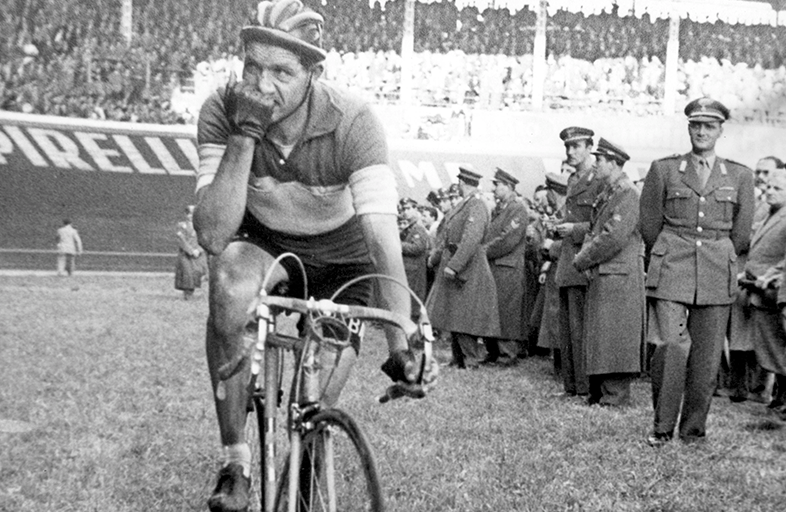
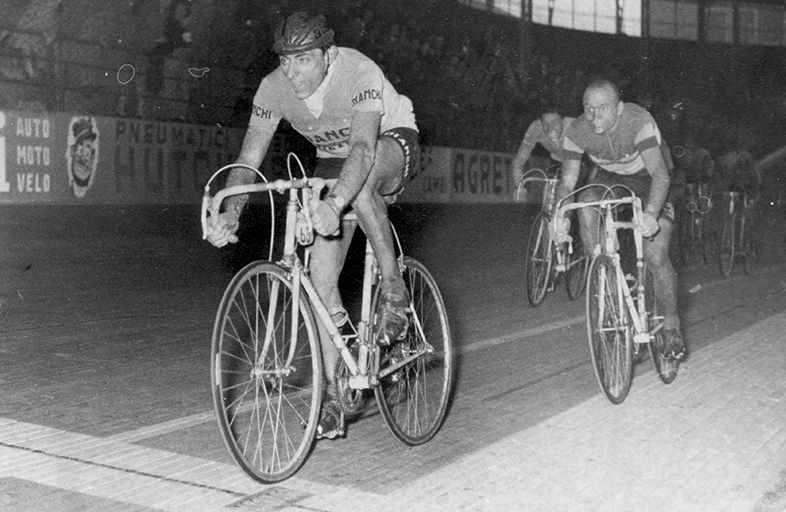
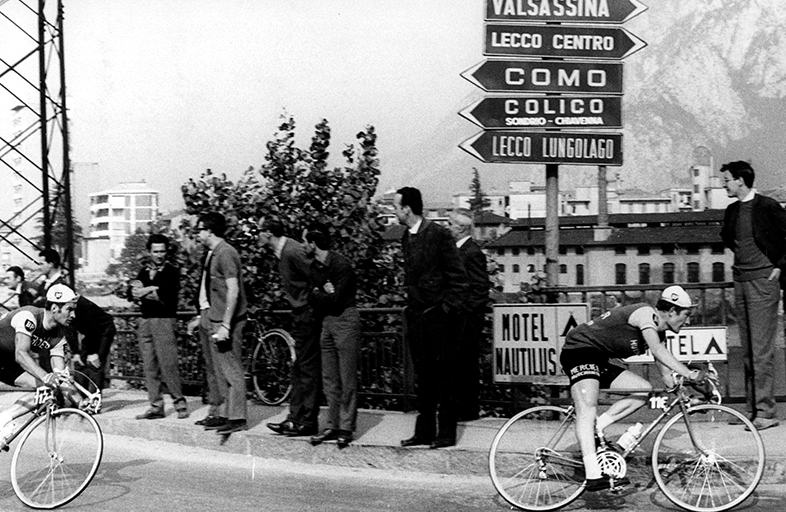
From its first edition through to 1960, Il Lombardia always started and finished in Milan, with the race using several iconic locations across the city over the years.
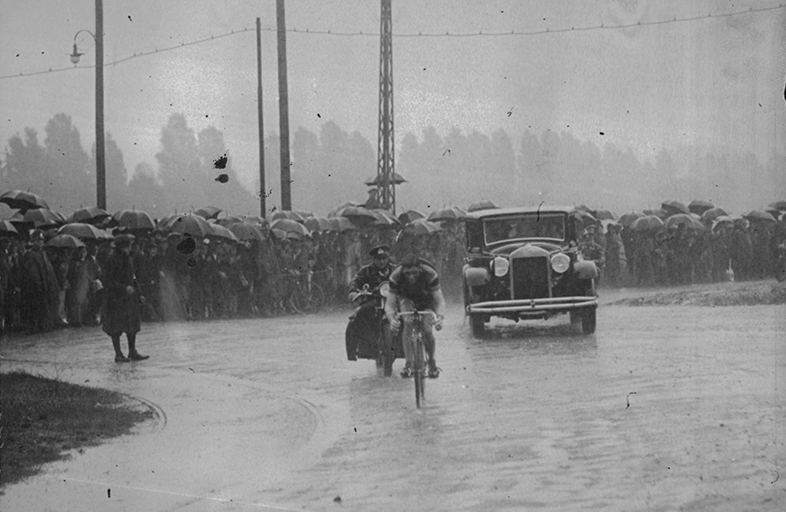
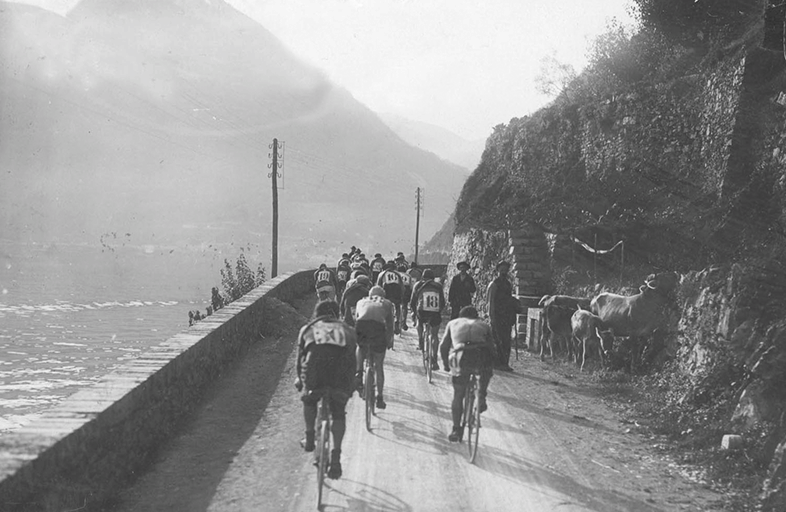
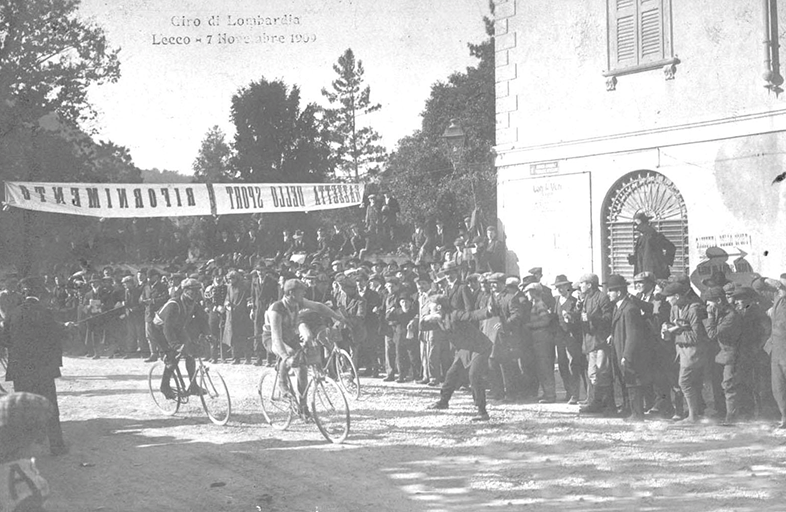
hall of fame
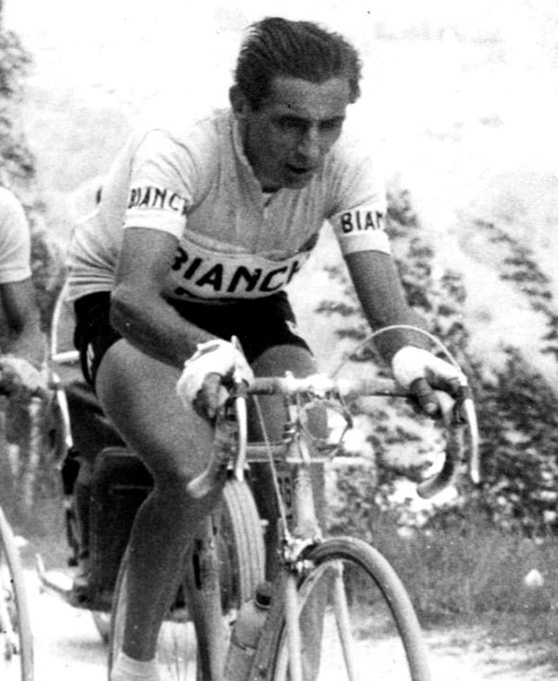
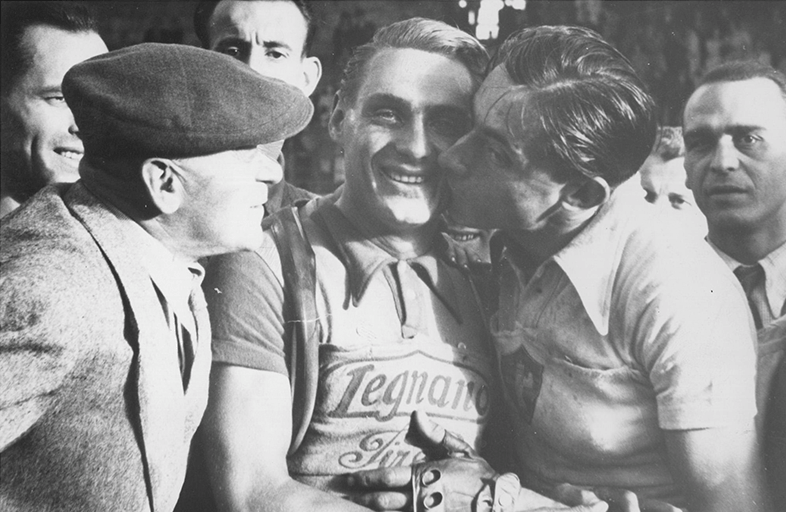
Fausto Coppi, the Campionissimo, needs little introduction. For almost 70 years he stood alone as the record holder for victories at Il Lombardia, with five triumphs, four of them achieved consecutively. Today, only one rider keeps him company at the top of that list: Tadej Pogačar. In the years following the Second World War, Coppi became a symbol of renewal and hope, both in sport and beyond. He claimed his first Il Lombardia in 1946 by attacking on the Ghisolfa overpass in Milan before riding solo to the Vigorelli Velodrome. A year later, he dropped Fiorenzo Magni at Valbrona and completed a 59-kilometre solo breakaway, crossing the line with his arms aloft at Milan’s Arena Civica. In 1948, he came close to missing the race altogether after receiving a two-month suspension following his infamous clash with Gino Bartali at the World Championships in Valkenburg, where the two Italian stars spent more time marking each other than chasing victory. The ban was later reduced to one month, allowing Coppi to line up at Il Lombardia, where he delivered one of his greatest performances. He flew over the Madonna del Ghisallo climb and attacked with 83 kilometres still to race, eventually arriving alone to a standing ovation at the Vigorelli. It was, however, his 1949 victory that truly earned him the nickname “Il Campionissimo”. Before conquering Il Lombardia with another magnificent 56-kilometre solo attack, he had already completed the Giro d’Italia–Tour de France double, sealing one of the greatest seasons in cycling history. His fifth and final Lombardia triumph came in 1954, the last Monument victory of his career and perhaps the most emotional of all. At 35 years of age, Coppi was no longer the dominant force he had once been. He attacked repeatedly but could not break clear; instead, he prevailed in the sprint, once again defeating Fiorenzo Magni.
Vittorie
5
Partecipazioni
12