learn more
technical info
profile
map
technical info
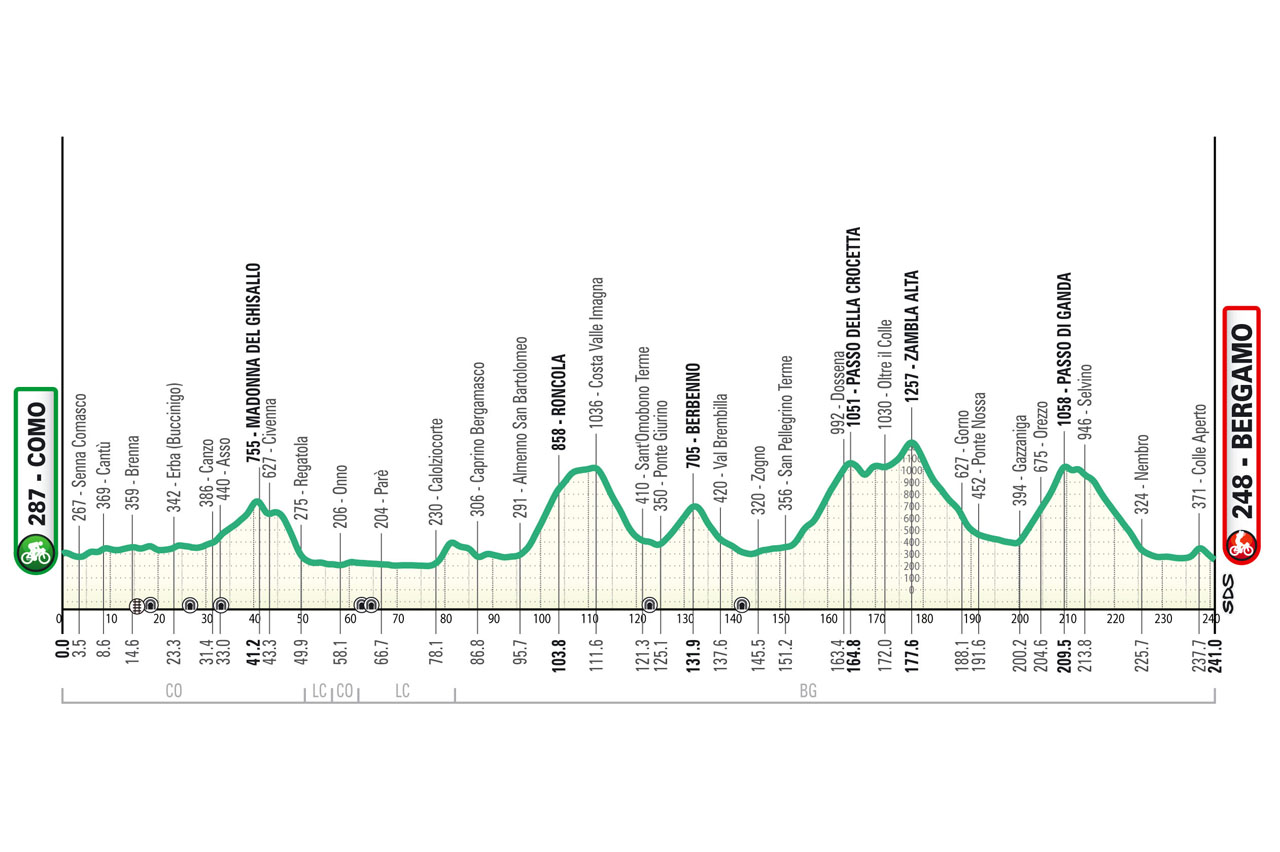
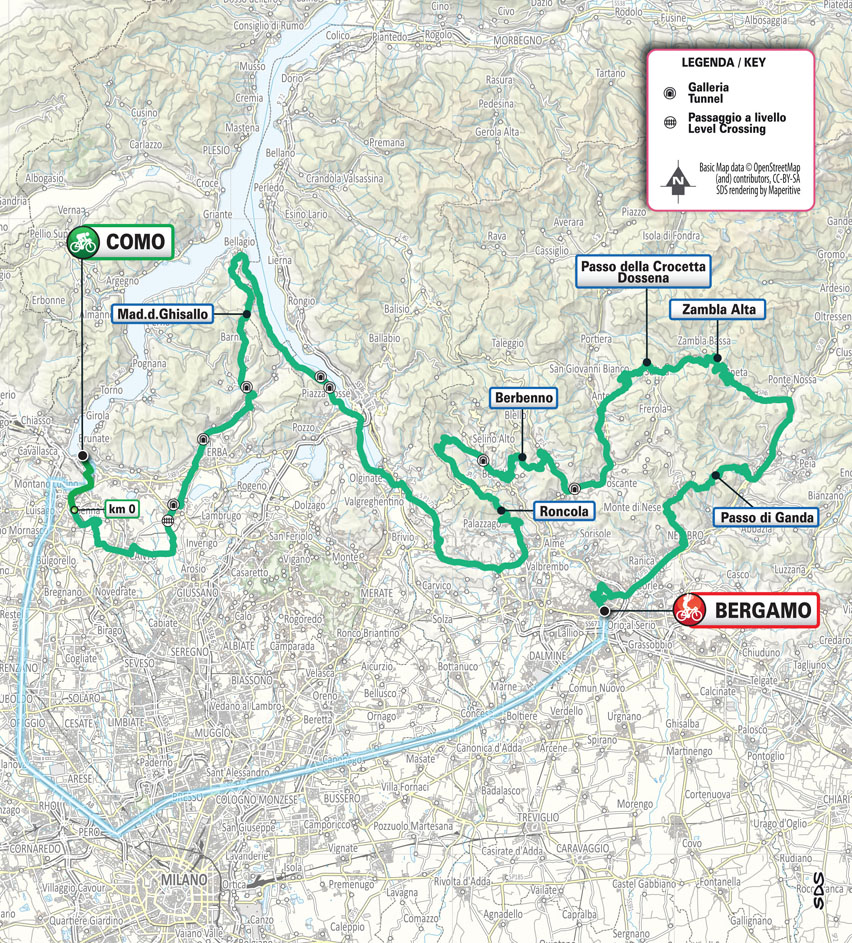
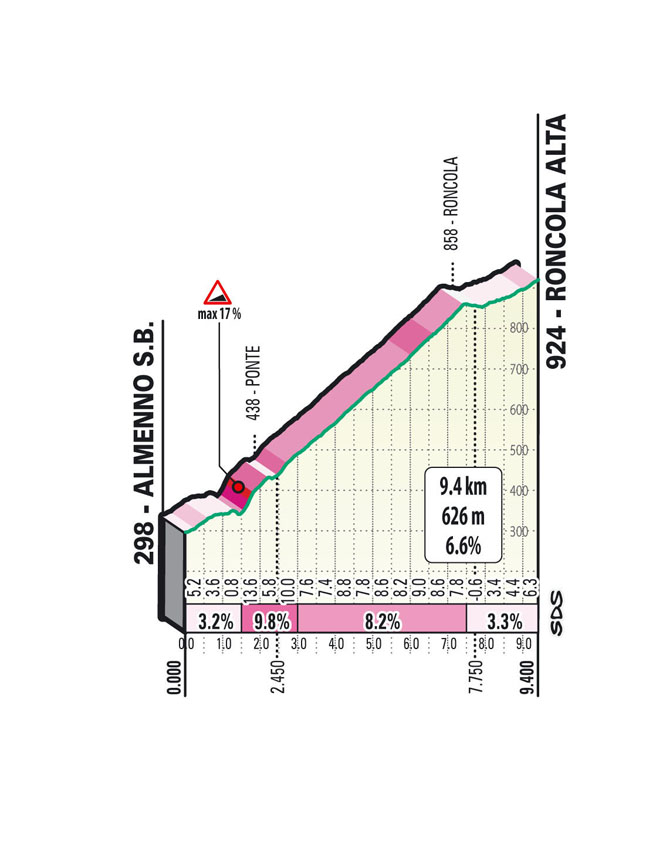
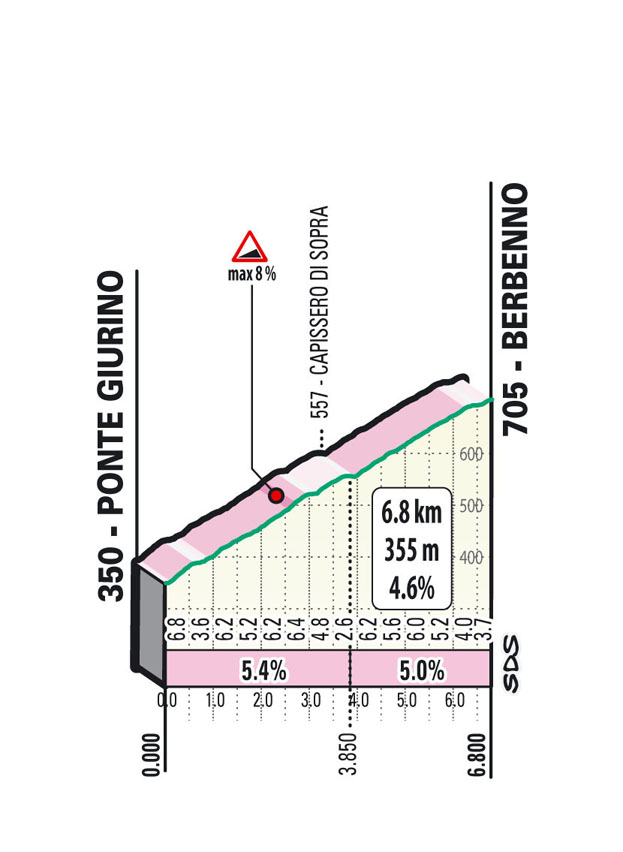
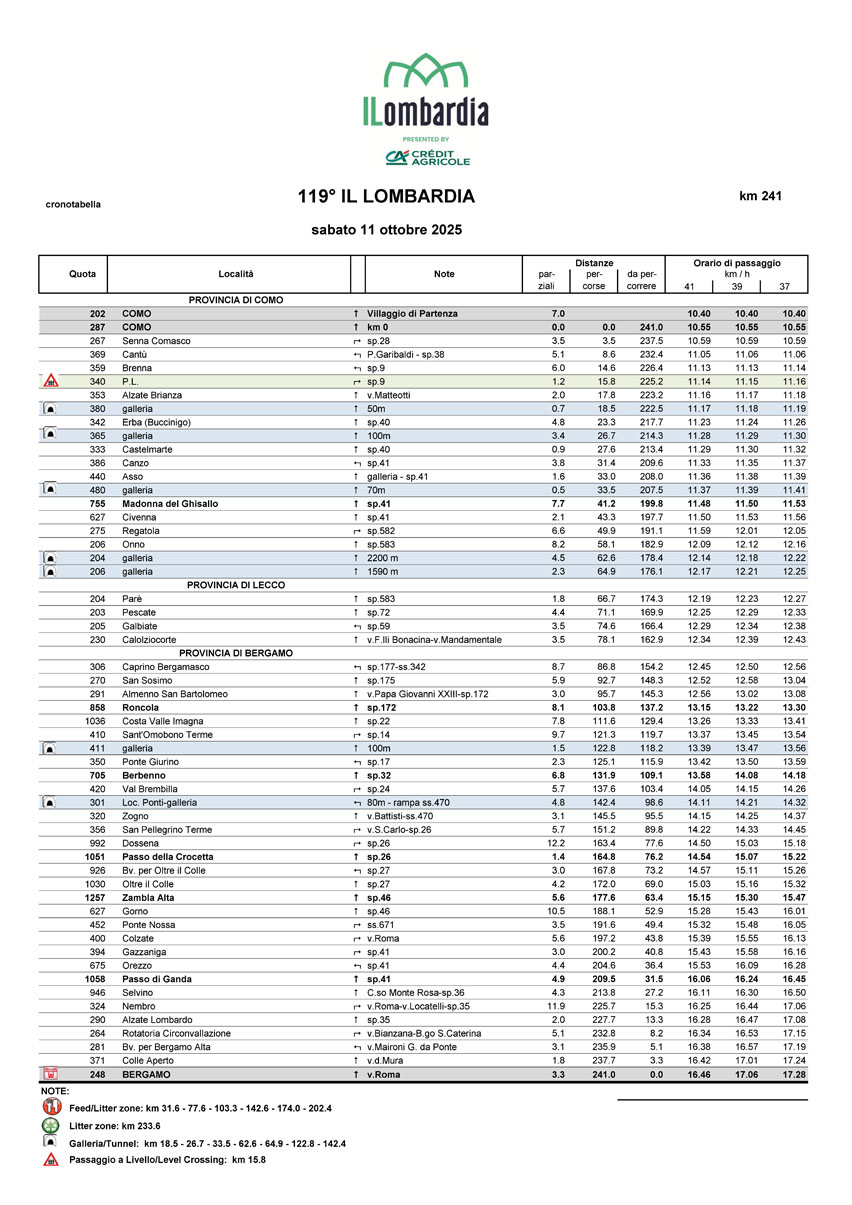
Departure from Como towards Cantù. The first climb is Ghisallo, but from the Asso side, descending to Bellagio and reaching Lecco along the shore of Lake Como. Once in the province of Bergamo, a series of climbs begins, leading to the finish line, characterised by a continuous succession of ascents and descents with almost no flat sections between them. First, climb the Roncola (Valpiana Pass, gradients up to 17%). This is followed by the climbs of Berbenno, Dossena, Zambla Alta and Passo di Ganda, bringing the total elevation gain to over 4400 m. From Ganda, you arrive at Selvino, where the classic long descent begins, punctuated by 19 hairpin bends. There are then 9 km to the city (the only flat section of the entire final stretch) and the classic passage through the Upper Town to the finish line.
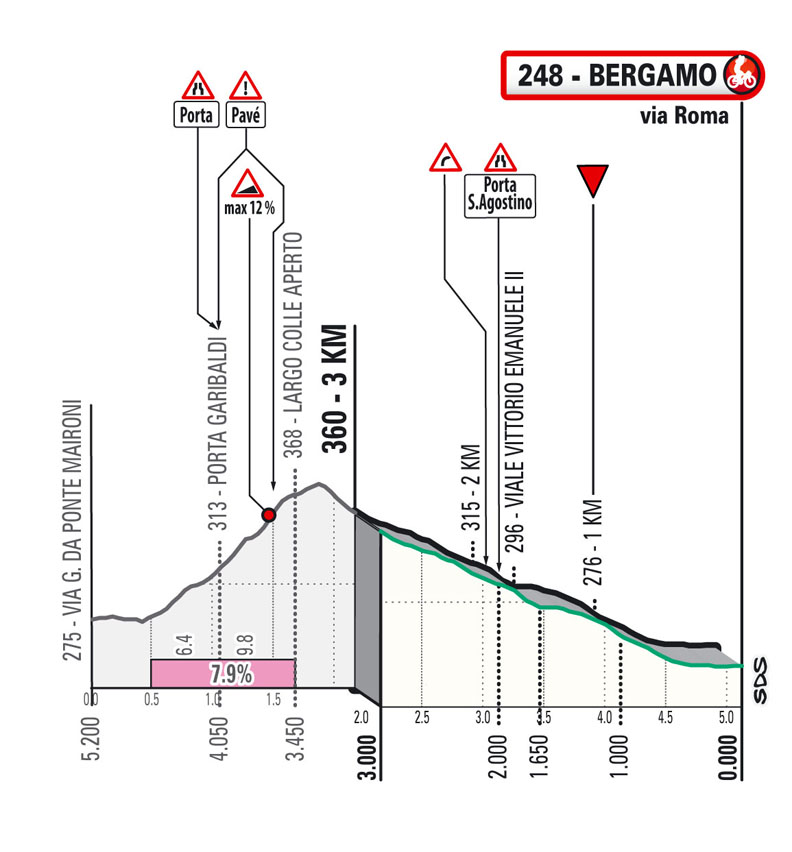
Final kilometres
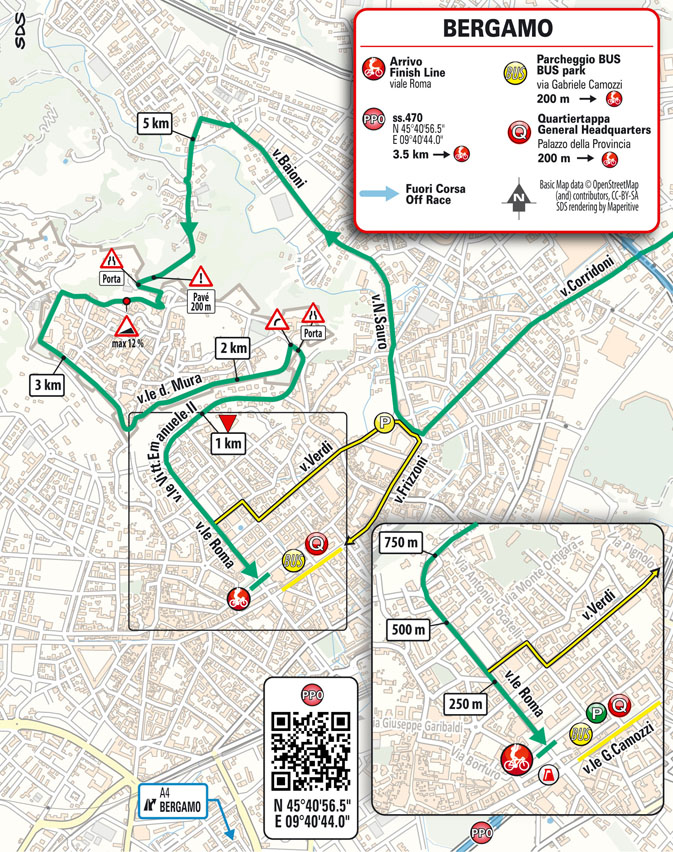
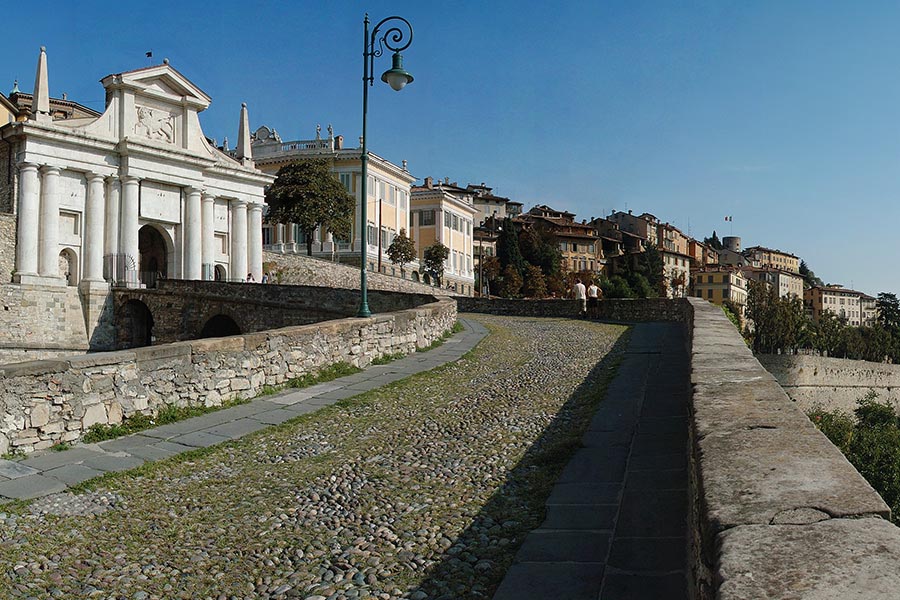
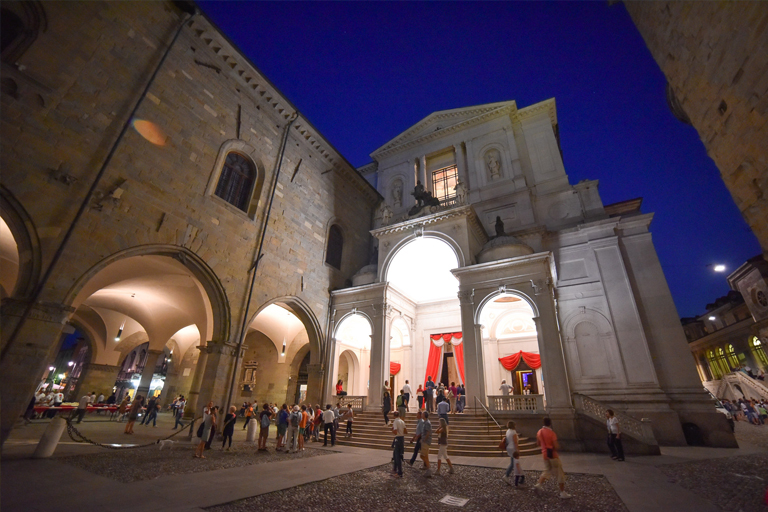
The final kilometres pass through Bergamo Alta, climbing to Porta Garibaldi and then (with 200 metres of cobblestones) to Largo Colle Aperto. In the first part, the gradients are always above 10% (max 12%). Downhill, the road is wide with a smooth surface. At 1800 m from the finish, there is a sharp turn with a short narrow section to pass through Porta Sant’Agostino. After the last kilometre, there is a wide left-hand bend to enter the straight leading to the finish. The final straight is 800 m long, 7.5 m wide, on asphalt, downhill in the first part and then flat.
start / finish
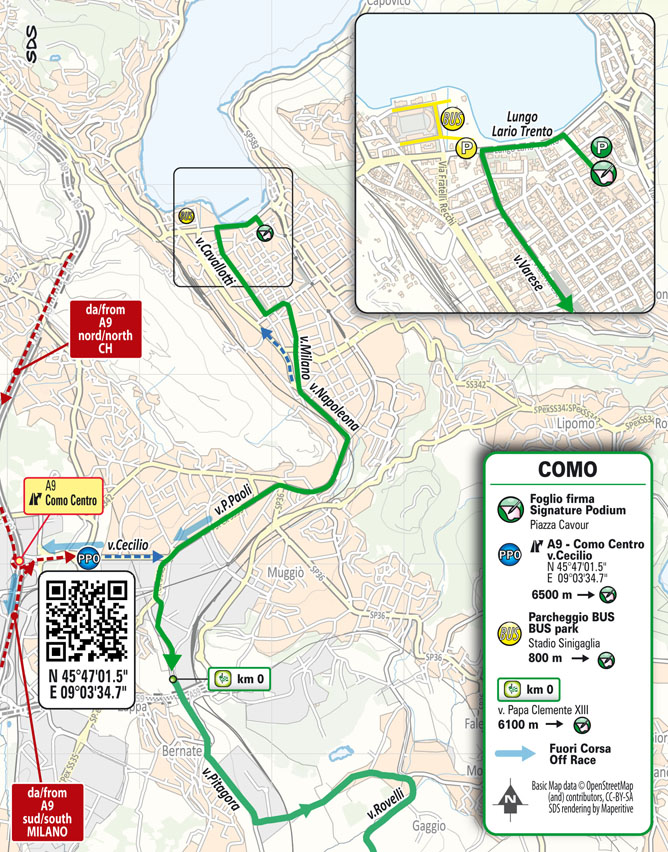
climb detail
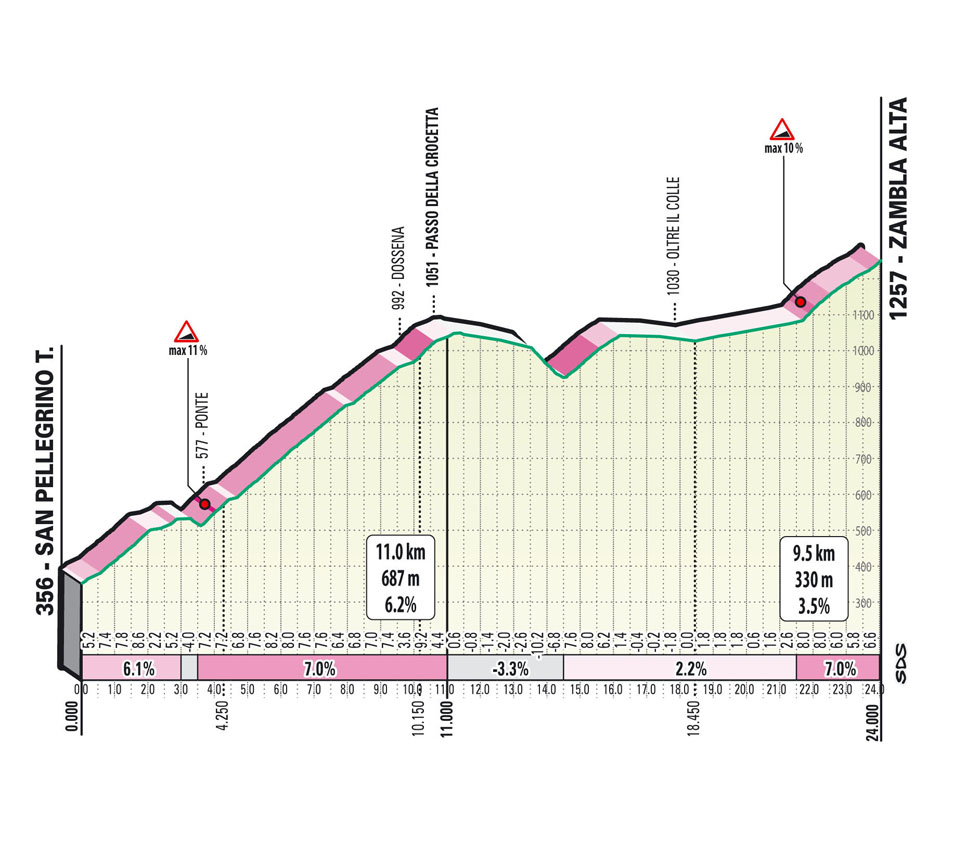
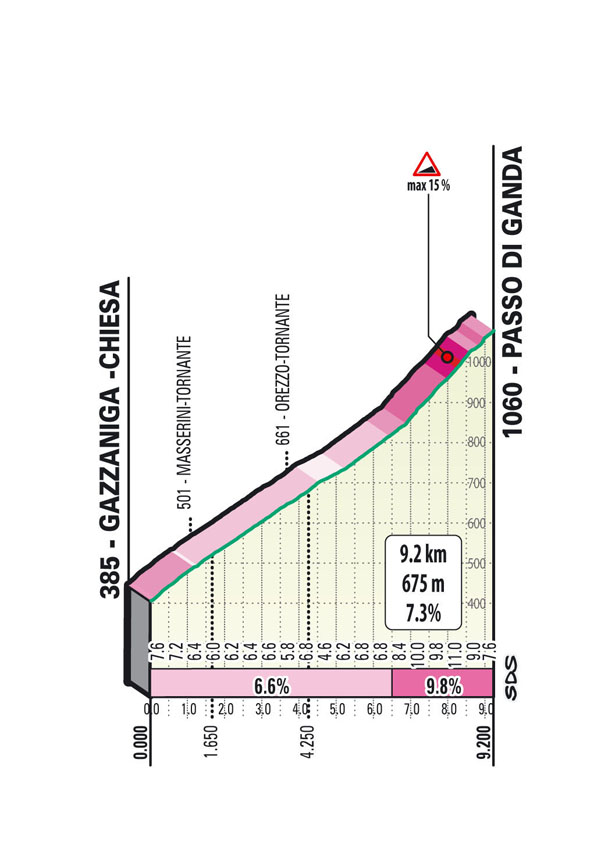
final kilometres
itinerary timetable
tourist info
Host city:
Como
Overview
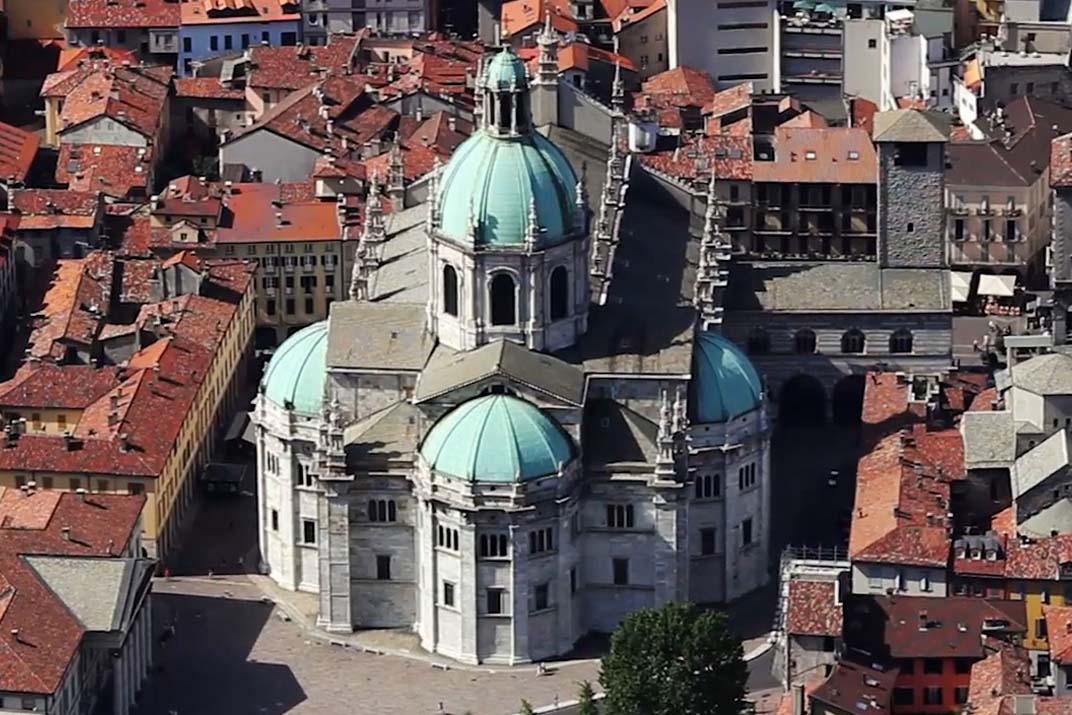
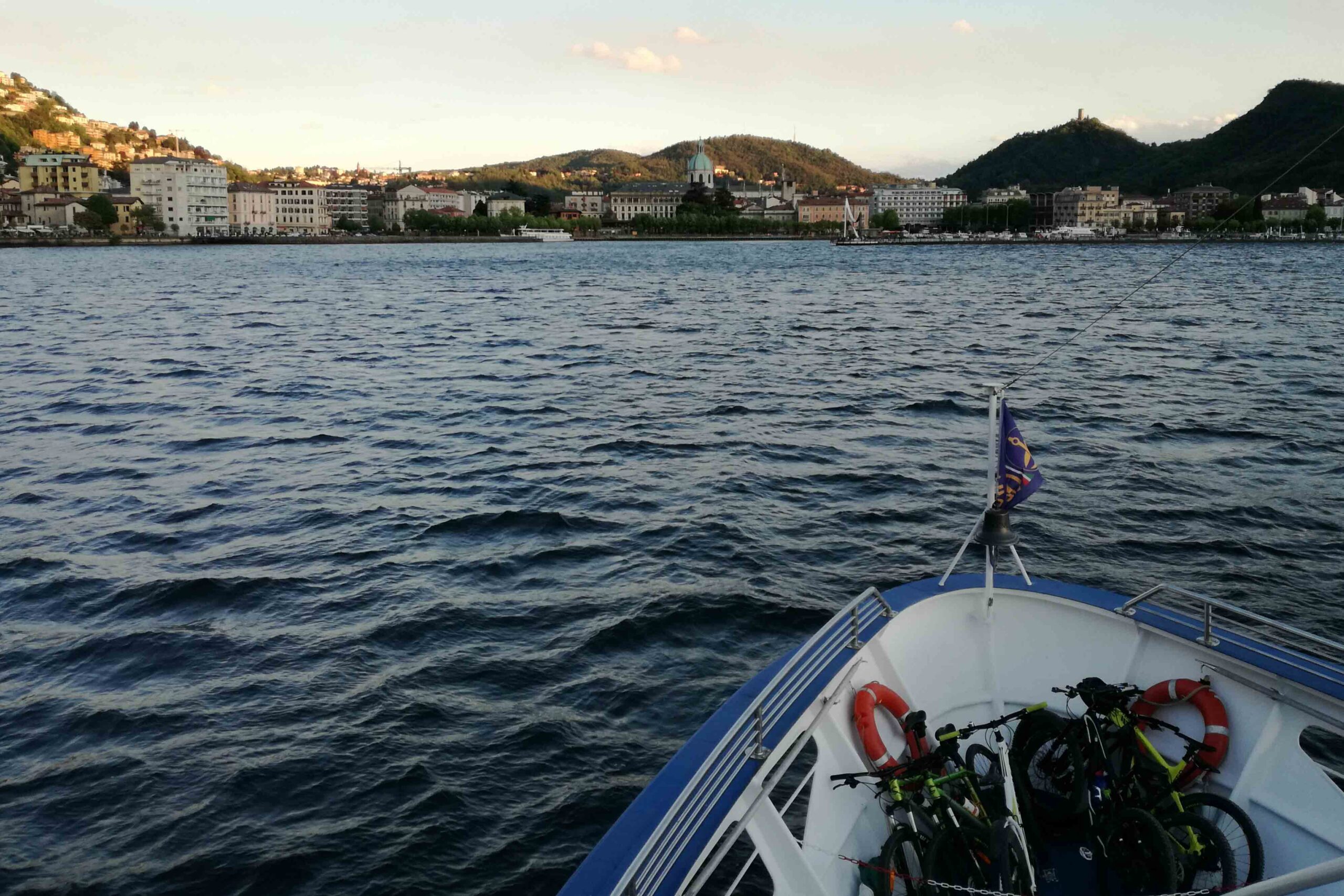
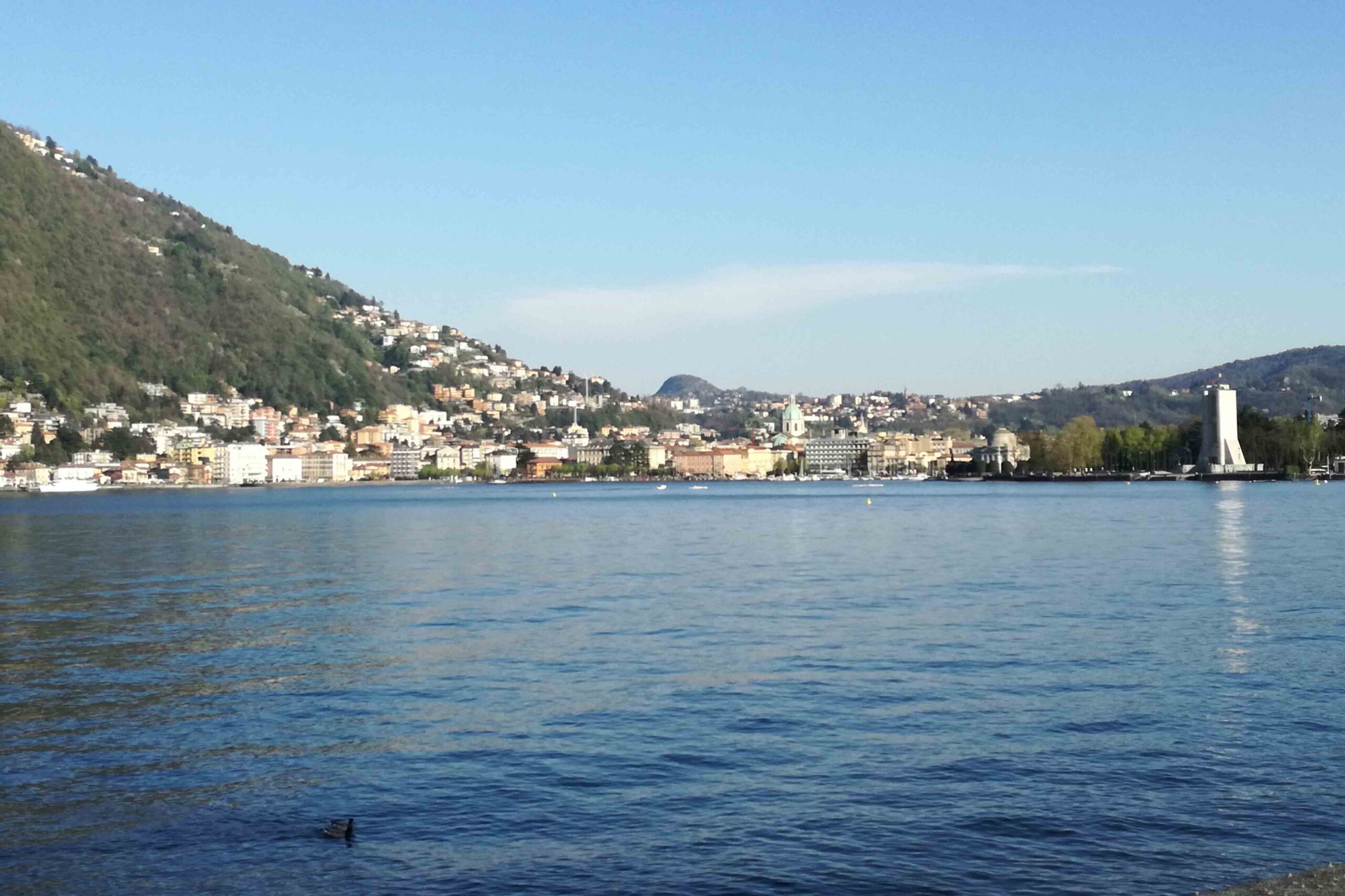
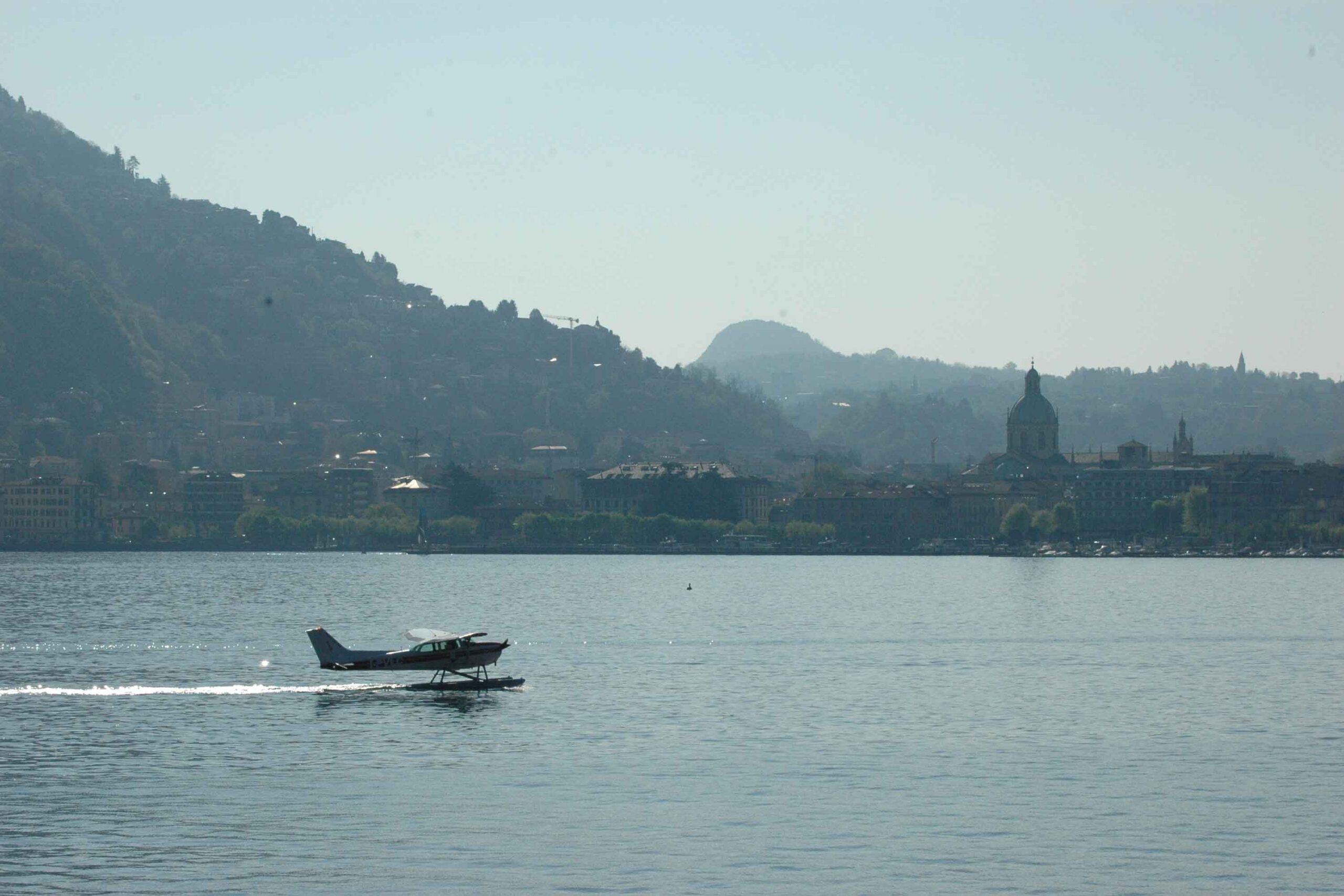
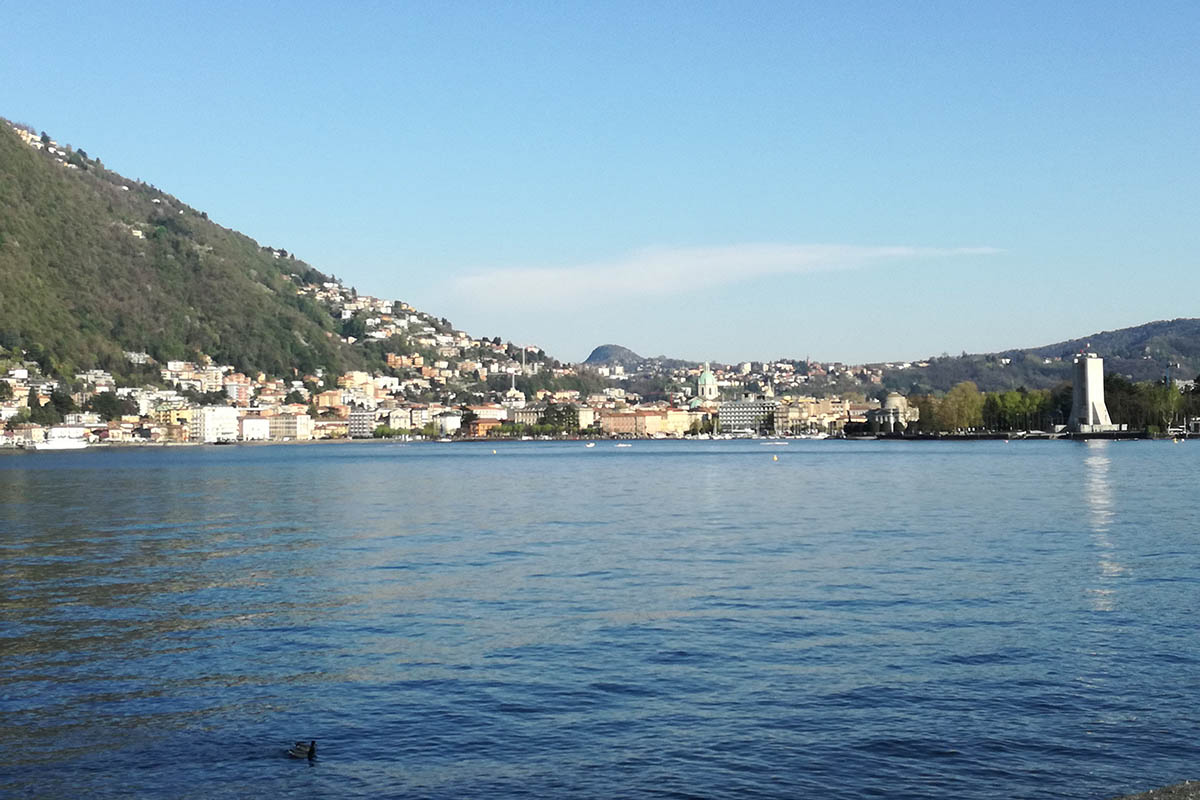
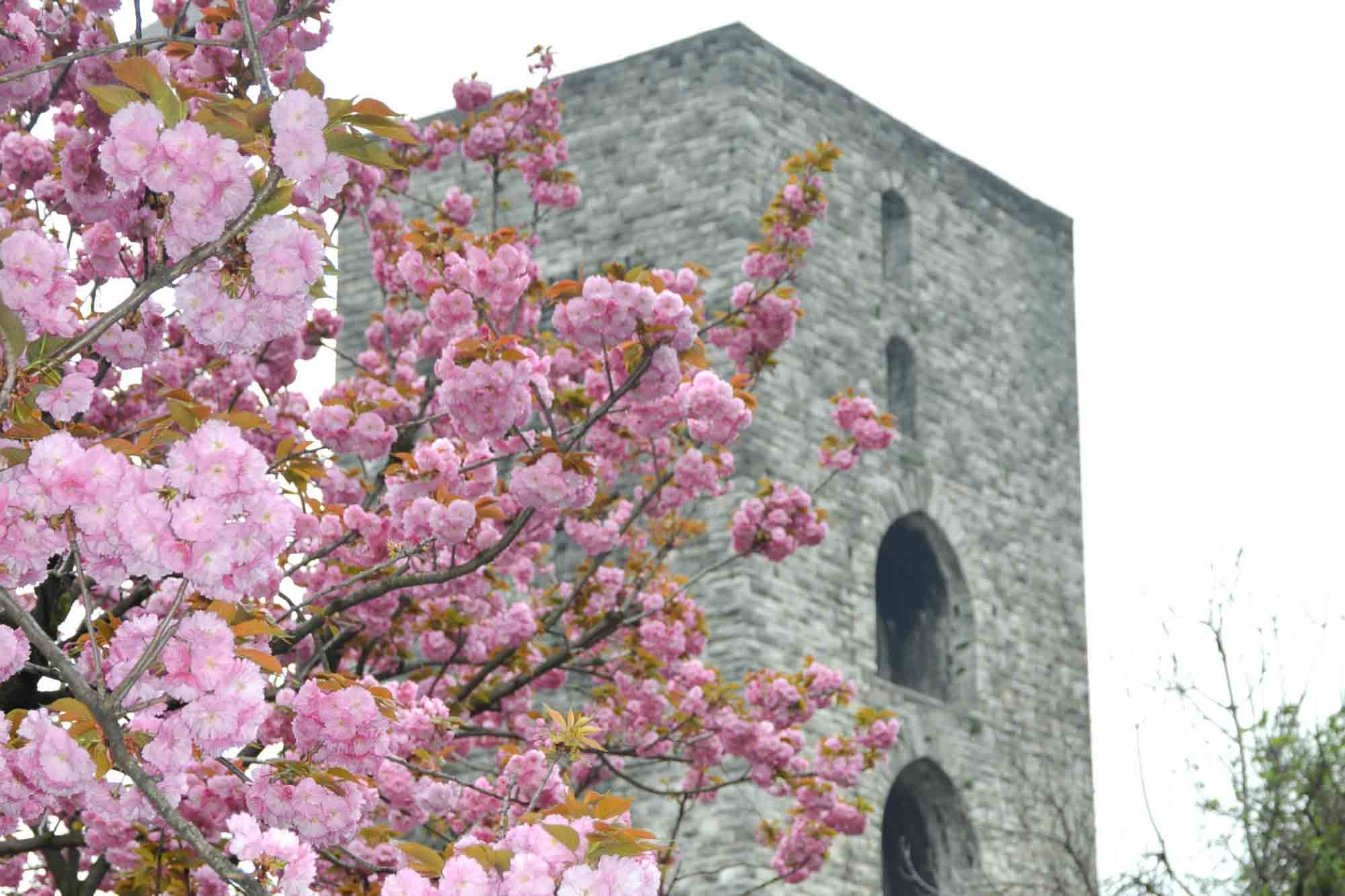
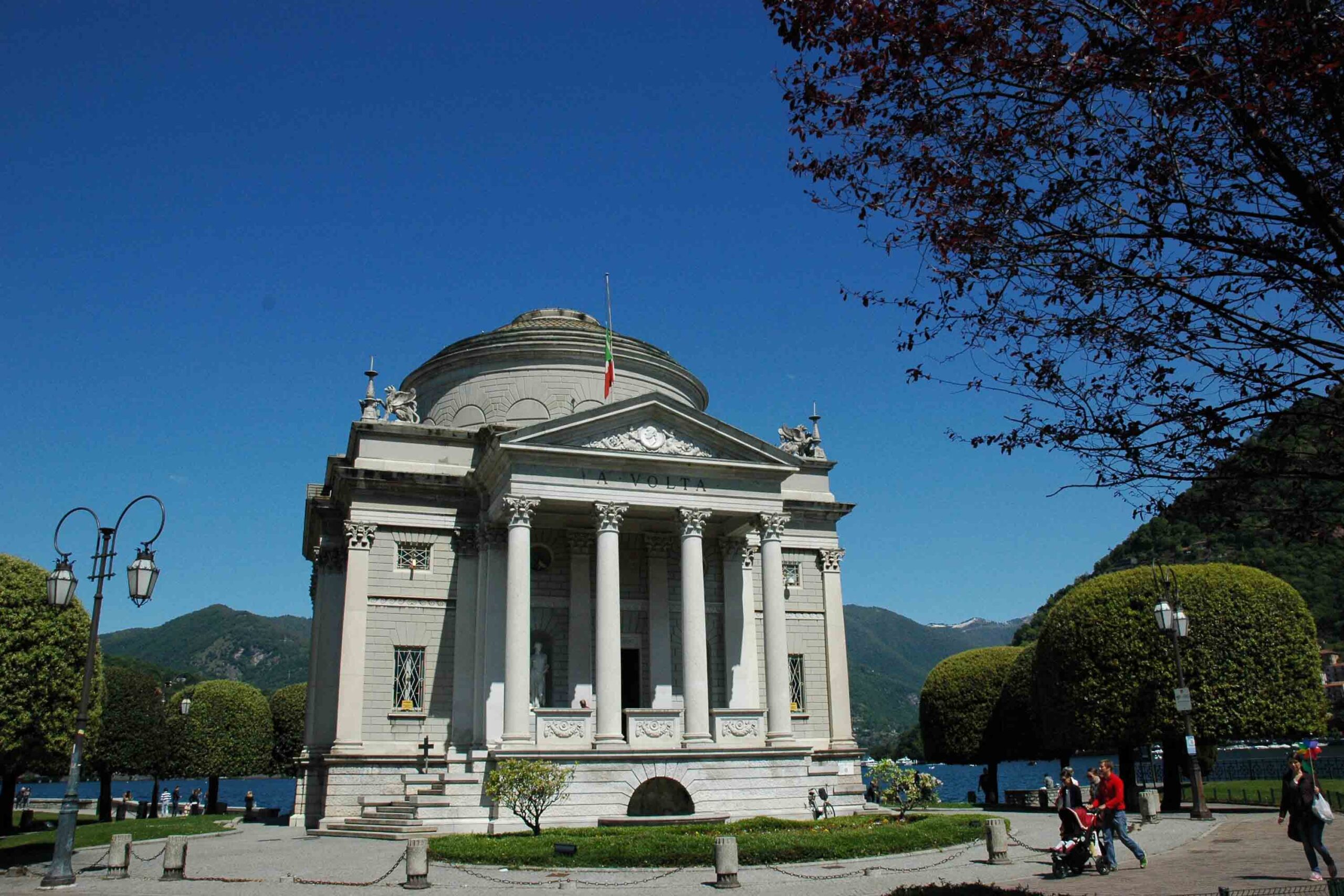
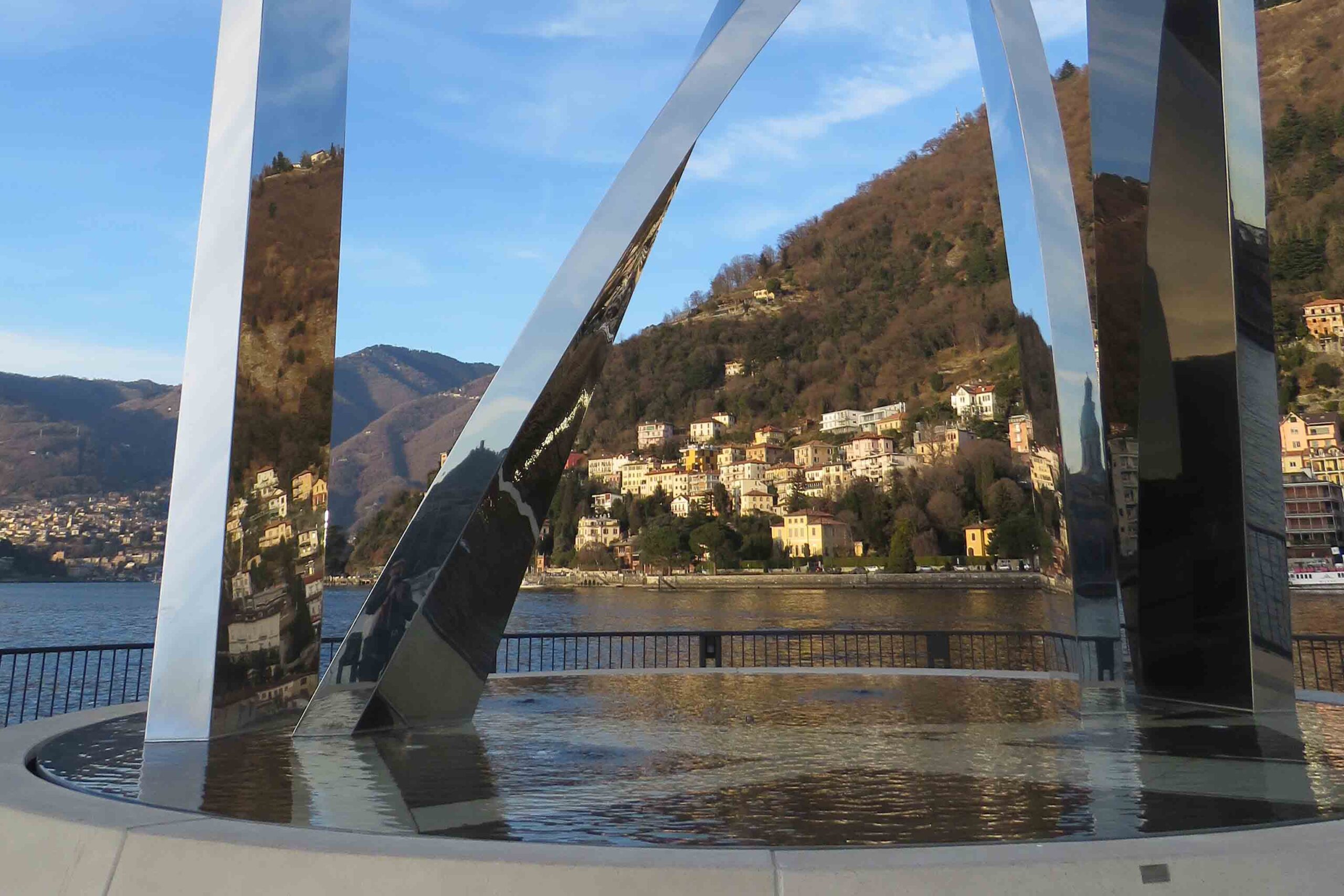
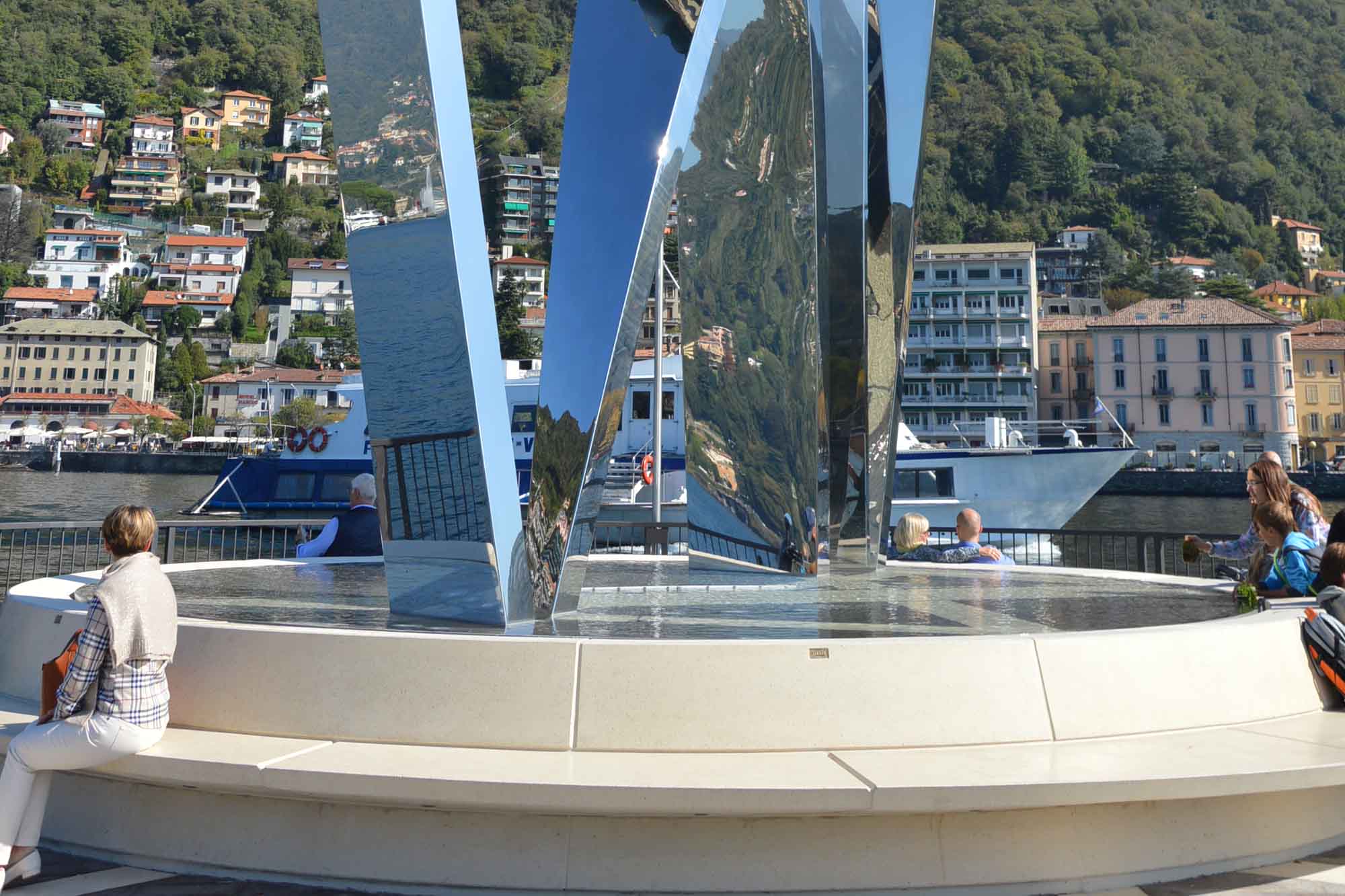
Como is an elegant and lively town, lying on the southwestern branch of the lake of the same name, in a unique natural landscape and surrounded by lush verdant hills. Luxurious villas, elegant buildings and ancient churches highlight the beauty of the city, while the lovely alleys and the colourful piazzas add to its charm. Como is also referred to as “the city of silk”. Back in the 1400s, Ludovico Sforza, Duke of Milan, decided to plant mulberry trees around the lake to feed the silkworms, and the city has been the largest silk producer in Italy since then.
Points of interest
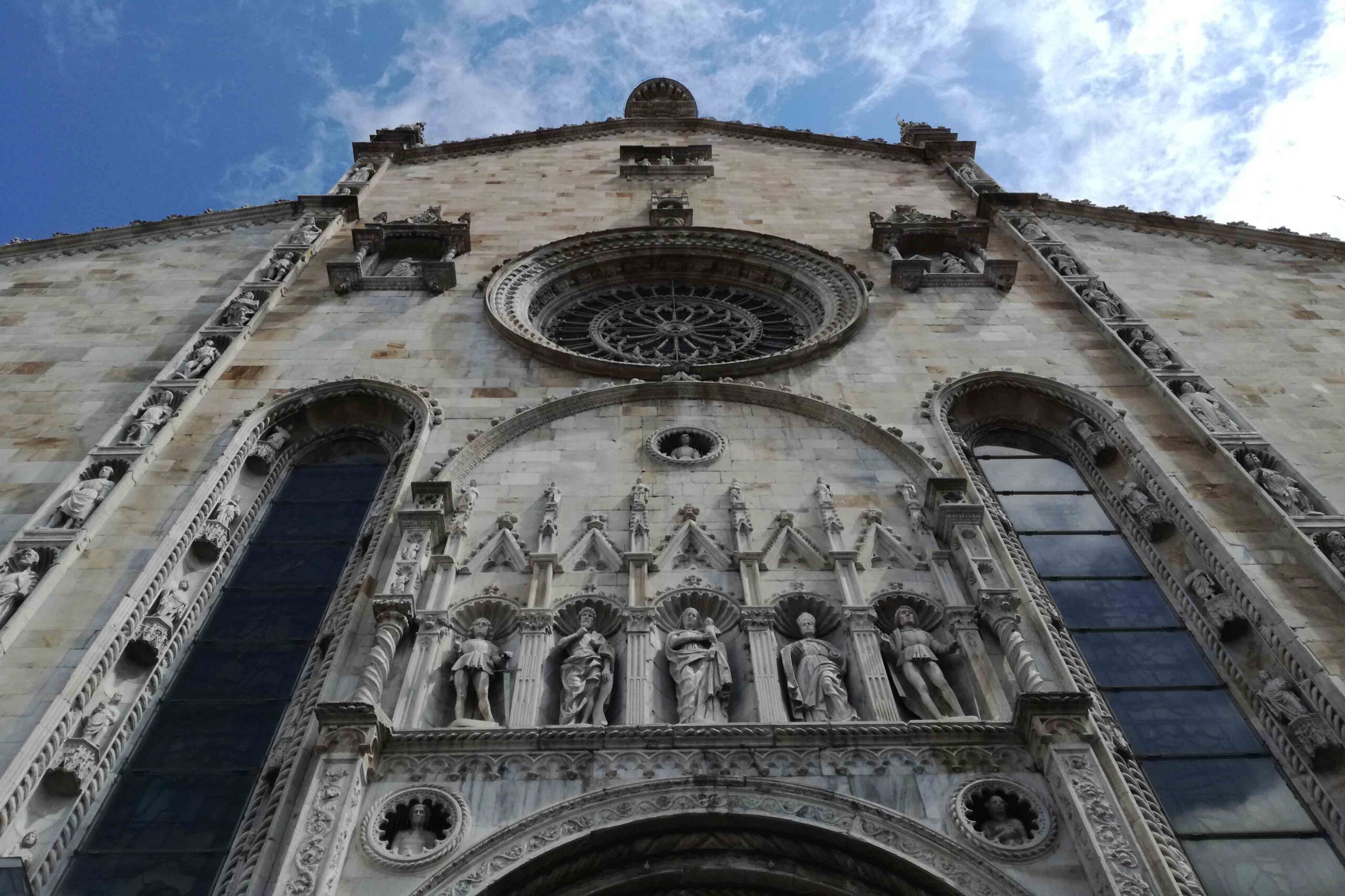
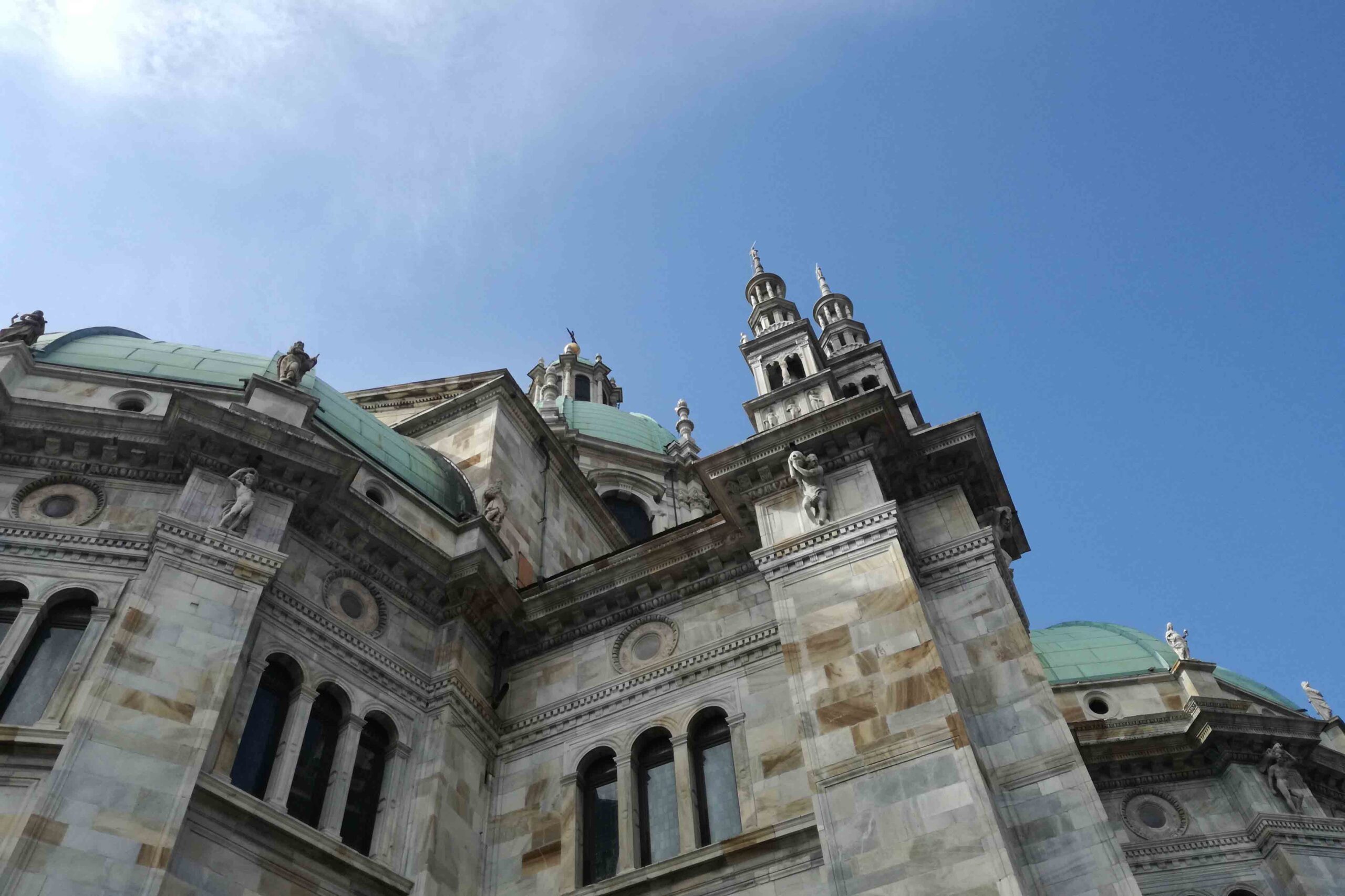
The most stunning piece of architecture in town is the splendid Duomo (the cathedral), dedicated to Santa Maria Assunta. Its construction began in 1396, and lasted four centuries overall, in a splendid fusion of styles – Gothic, Renaissance and Baroque.
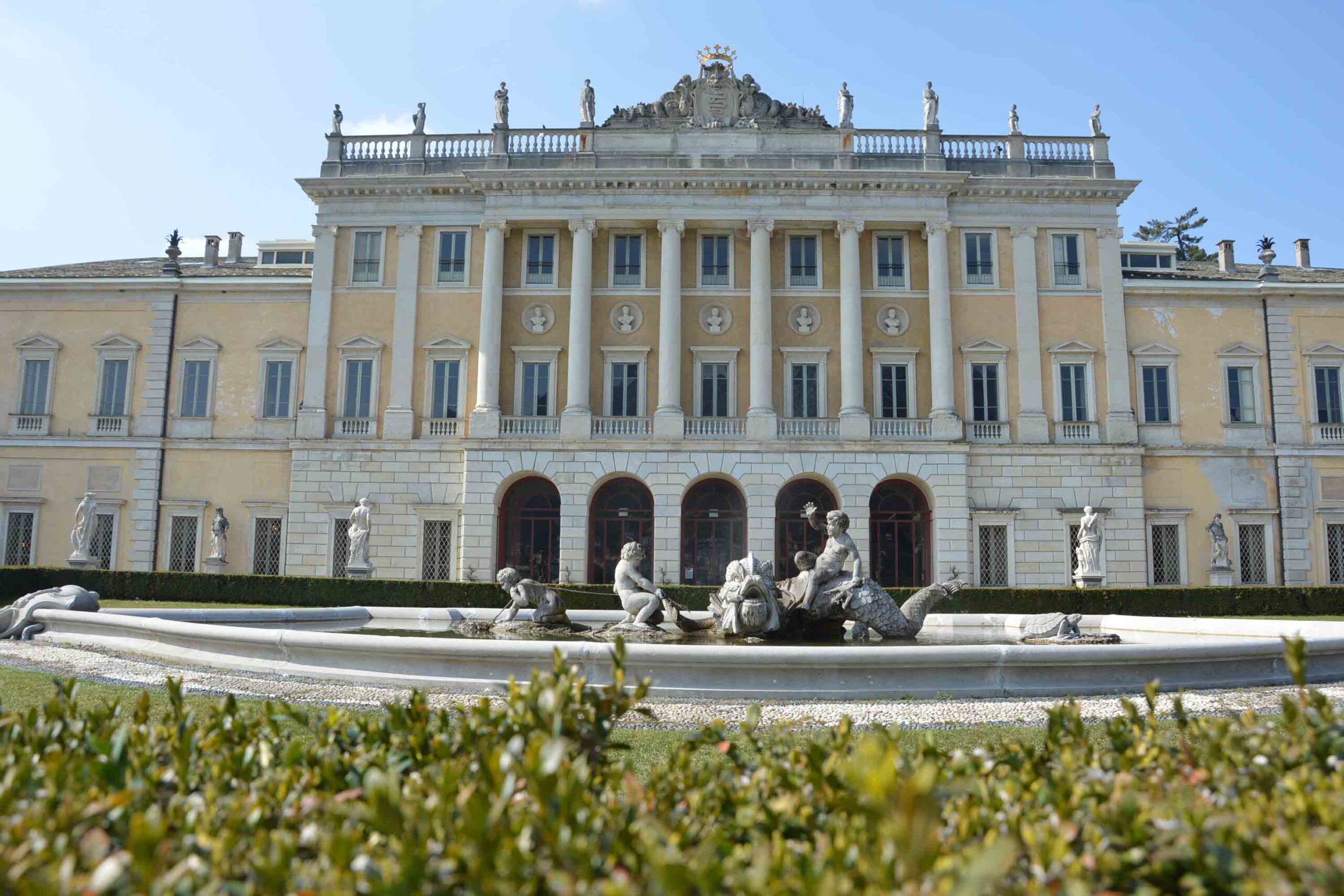
Como is also renowned for its lakeside villas with lush gardens, such as the Neoclassical Villa Olmo, built in 1780, now a popular venue for congresses, events and art exhibitions.
The city has become one of the major tourist destinations in northern Italy, and is a hit with Italian and international celebrities alike.
Bergamo
Overview
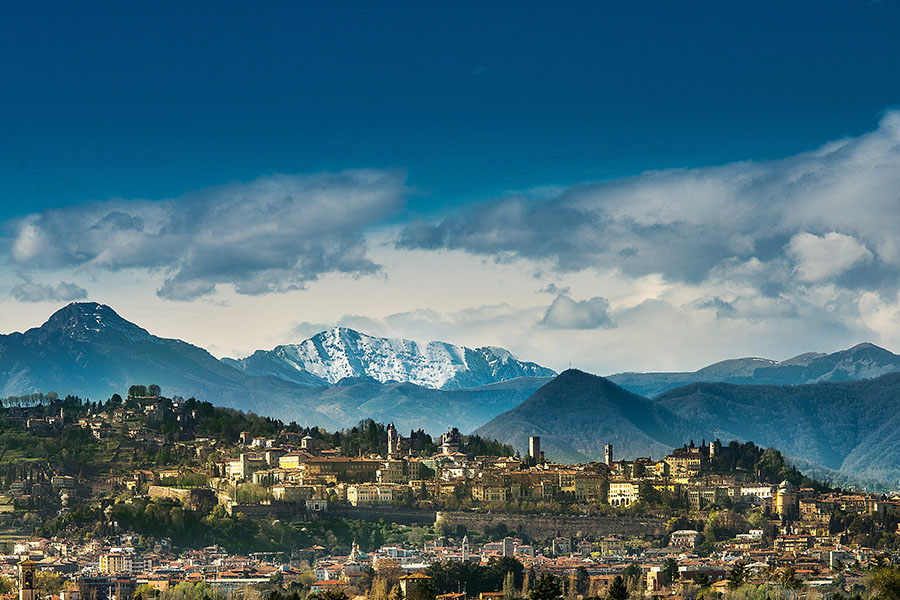
Many call it the Città dei Mille (“City of the Thousands”) because a significant number of the volunteers supporting Giuseppe Garibaldi in his expedition came from Bergamo, but this stunning city is generally more renowned for its most iconic zone: Città Alta (“Upper City”).
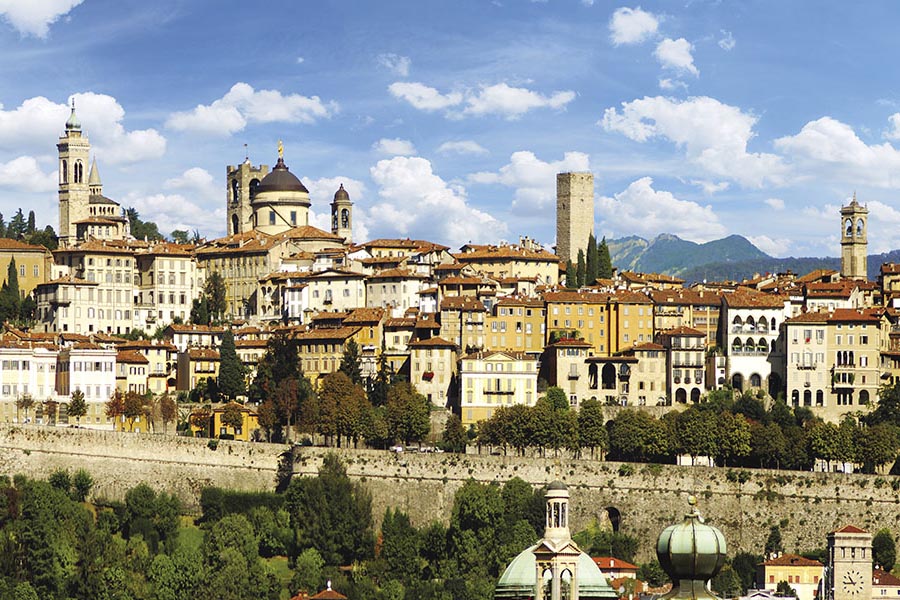
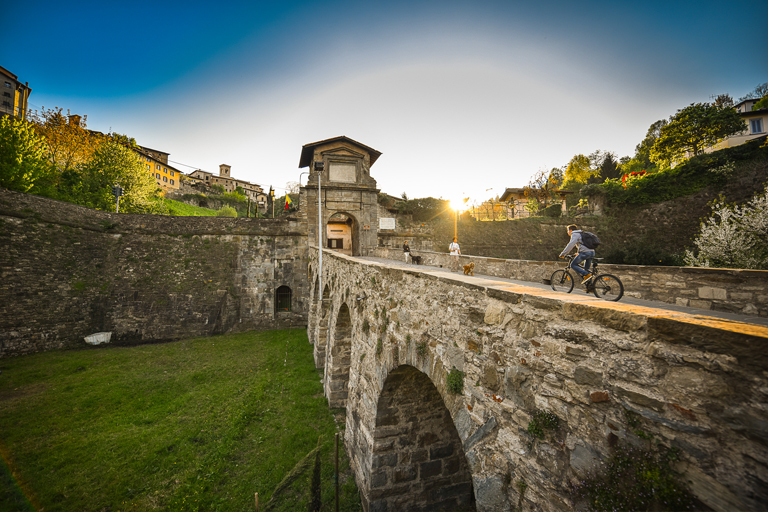
Indeed, when thinking of Bergamo, we often turn our attention to this upper and oldest part of the city, at the foot of which a more modern and bustling area of the city has grown and developed. The Città Alta is surrounded by its protective Venetian walls, fortifications built by the Republic of Venice that have cradled the houses and monuments of Città Alta since 1588 and which wind their way around this ancient section of Bergamo for over five kilometres: they’ve been a UNESCO World Heritage Site since July 2017. These walls have a special place in the hearts of all of Bergamo’s inhabitants, often enjoying them for a Sunday morning stroll or for a run as they gaze out across the Po valley.
Indeed, the city sits at the foot of the mountains, where the upper plain starts to rise up into the Alpine foothills. It’s also located halfway between the Brembo and Serio rivers that flow down from the province’s two main valleys: respectively Val Brembana and Val Seriana.
Leaving the car in Bergamo’s more modern district, the Città Bassa (Lower City), with its array of shops and offices, it’s possible to reach the Città Alta via the funicular railway that was built in 1887: this is a cable/rack railway that runs from the centre, goes through the fortified wall and arrives in Piazza del Mercato del Fieno. From here it’s possible to reach the main street, Via Colleoni, also known as Corsaröla, with numerous narrow streets and alleyways spurting off in all directions, a labyrinth to whisk you away on a journey to discover all the hidden treasures of the Città Alta.
Gastronomy
The city of Bergamo is like a little crown consisting of many jewels: indeed, as well as its plethora of history and art, the city can also astound with its ability to please the palate, thanks to its long wine and food tradition, offering a range of delicacies that have made it become known as the “creative city for cuisine”.
In any traditional Bergamo restaurant you’ll find casoncelli, a dish consisting of the classic local elongated ravioli, filled with meat and usually served in a sauce of butter and sage. And then there’s the polenta made with corn flour and buckwheat flour, which becomes polenta taragna when Branzi – a traditional cheese from Val Brembana – is added. We must also not forget the cured meats and, in particular, salami from Bergamo. Furthermore, the province of Bergamo is littered with lush alpine pastures roamed by many animal herds, and has a cheese making tradition that’s been perfected over the centuries, hence why today as many as nine local cheeses have obtained the Protected Designation of Origin (PDO) certification – with a total of 150, the province of Bergamo has more active alpine pastures than anywhere else in Italy. The most renowned of these local cheeses are Branzi, Bitto, Stracchino and Agrì di Valtorta, a list to which “Strachitunt” has just been added, a very old cheese dating back to 1380 that’s recently been revived and has risen to international fame thanks to the tenacity of a few farmers and producers in Val Taleggio. Bergamo is also the birthplace of the famous Gelato alla Stracciatella, which dates back to 1961 and was first made by the historic La Marianna pastry shop in Città Alta.
Wines
Considered the pearl of the Bergamo wine industry, the Moscato di Scanzo is the only wine from the area to boast the DOCG (controlled and guaranteed designation of origin) classification, and it’s also the smallest area in Italy to hold this certification by virtue of the fact that it’s produced from an ancient grape variety that’s cultivated almost exclusively in the hills of Scanzorosciate. This grape variety is so inextricably link with the local area, that it even carries the same name. It’s a wine with an ancient history, dating back to the Romans and the Celts.
A half an hour’s drive from Bergamo, situated just to the south of Lake Iseo, lies Franciacorta, Lombardy’s most famous and historic wine region. The practice of cultivating vines has been a constant in Franciacorta since Roman times, thanks to its favourable weather conditions and soil. The origin of the name Franciacorta is something of a mystery, and there are many stories that speak of its roots, but the words Cantine Franciacorta have become synonymous worldwide with the DOCG sparkling wine that’s produced in the area’s numerous vineyards. Last, but by no means least, there’s the Valcalepio DOC geographical zone which includes an area in the hills to the north-west of Bergamo and an area to the east from Lake Iseo. The Valcalepio wines are currently the rising stars in the most renowned international wine bars, but the quality of this wine-growing region was already fully appreciated by Pliny the Elder who often remarked on how the cultivation of the vines was so extensive and of an excellent standard.
Points of interest
The city of Bergamo is replete with an incredible array of monuments, starting with the iconic Piazza Vecchia, where the newly renovated Fontana Contarini (Contarini Fountain) is to be found, the Angelo Maj Library, the Palazzo della Ragione, and the Torre Civica (Civic Tower), a bell tower, locally known as the Campanone, which chimes one hundred times every evening at 10 o’clock to keep a medieval tradition alive: it used to warn the local inhabitants that the four access doors to the Città Alta were about to close.
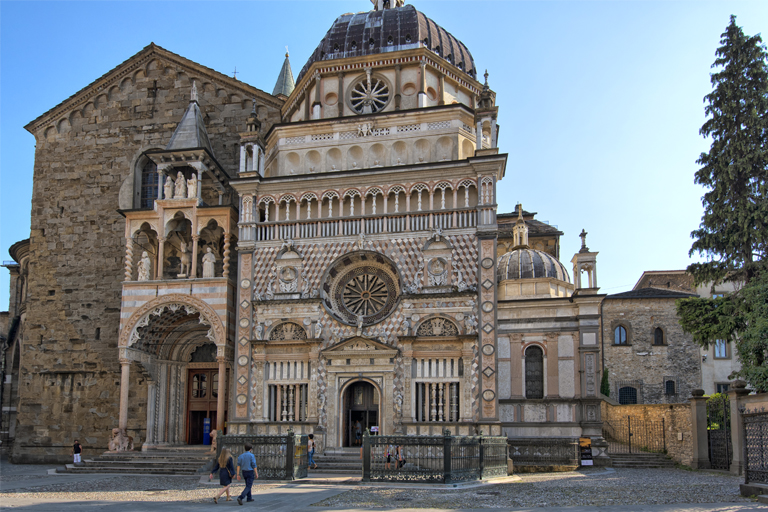
When in Bergamo, it’s well worth taking the time to discover the wonderful Basilica di Santa Maria Maggiore with the Cappella del Colleoni (Colleoni Chapel) and Piazza Duomo, all of which can be found just behind Palazzo della Ragione. The Basilica is a Romanesque-Lombard church with a Baroque interior and an intarsia, depicting biblical scenes, created by Lorenzo Lotto. And that’s not all, there’s also an imposing Baroque confessional carved by Andrea Fantoni that dominates the beginning of the left aisle. The church, among its many treasures, also houses the tomb of the musician Gaetano Donizzetti who was born in Bergamo in 1797, and after whom the city’s main theatre is named.
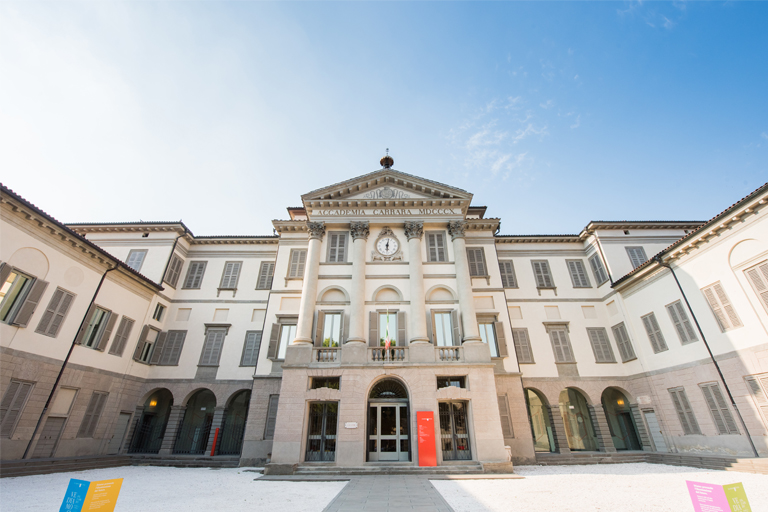
And if you head down from the Città Alta via its many streets and scorlazzini (the local word used for the many sets of steps that link the Città Alta and the Città Bassa), you’ll absolutely not want to miss a visit to the Accademia Carrara, one of Italy’s foremost art galleries. For more than two hundred years, the gallery has collected and housed the works of great painters such as Lotto, Botticelli, Titian, Palma Vecchio, Canaletto, Hayez and many more, with over 1,800 fabulous pieces now on display. Directly opposite is the GAMeC, the Galleria d’Arte Moderna e Contemporanea: because Bergamo has also collected an incredible array of pieces by modern and contemporary talents.
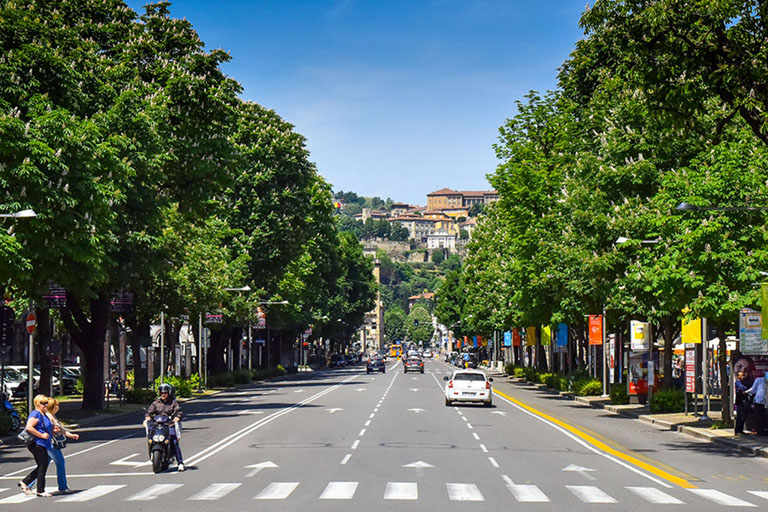
The Città Bassa has a very particular urban layout: it derives from the development of a number of villages situated along the main communication routes which, coming down from the hills, led into the plain: Borgo Canale, Borgo Sant’Alessandro, Borgo San Leonardo, Borgo Pignolo, Borgo San Tomaso, Borgo Santa Caterina, Borgo Sant’Antonio and Borgo Palazzo. The district that now forms the centre of the city was created in the early 1900s, this is where institutional buildings such as the City Hall, the Police Headquarters, the Provincial Headquarters and the central post office are located. The main artery running through Città Bassa is viale Papa Giovanni XXIII – formerly viale Roma – which runs from the city’s train station to Porta Nuova. Running across this main thoroughfare is the Sentierone, the paved avenue which has recently undergone a stylish makeover but which in centuries gone by was a staging post for horse-drawn carriages, today it is considered to be the most elegant area of the city. The Sentierone also runs across the front of the aforementioned Teatro Gaetano Donizzetti and leads up to the Chiesa dei Santi Bartolomeo e Stefano, which is officiated by Dominican friars and houses the Pala Martinengo by Lorenzo Lotto.
This is Bergamo in a nutshell: a city steeped in history, culture, remembrance and tradition that happily coexists alongside modernity and urbanization.
Videos Il Lombardia 2025

Il Lombardia presented by Crédit Agricole 2026 | The 120th Edition Trophy
30 Jul 2026Photos Il Lombardia 2025
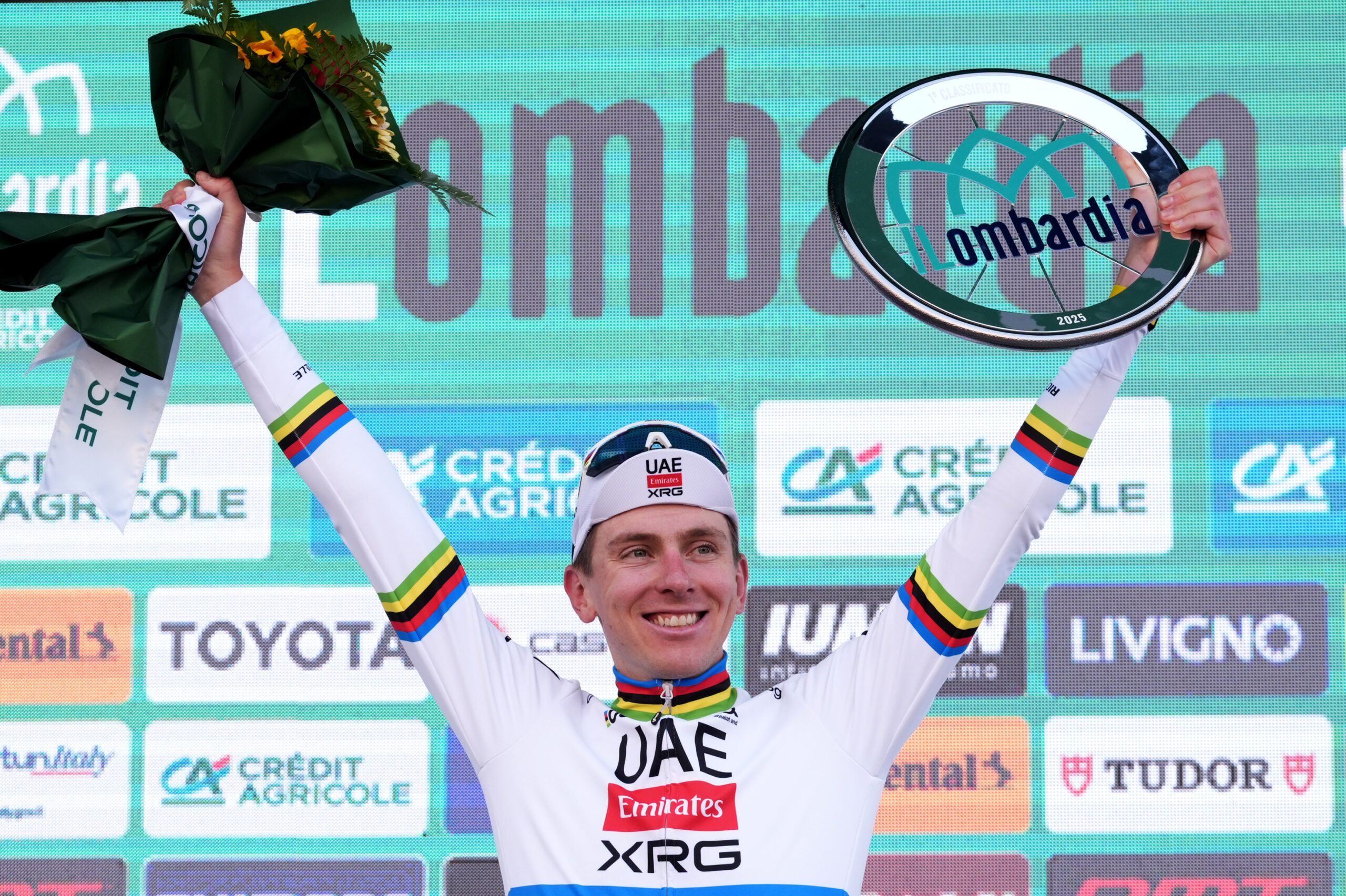
Il Lombardia presented by Crédit Agricole 2025 | Best Of
11/10/2025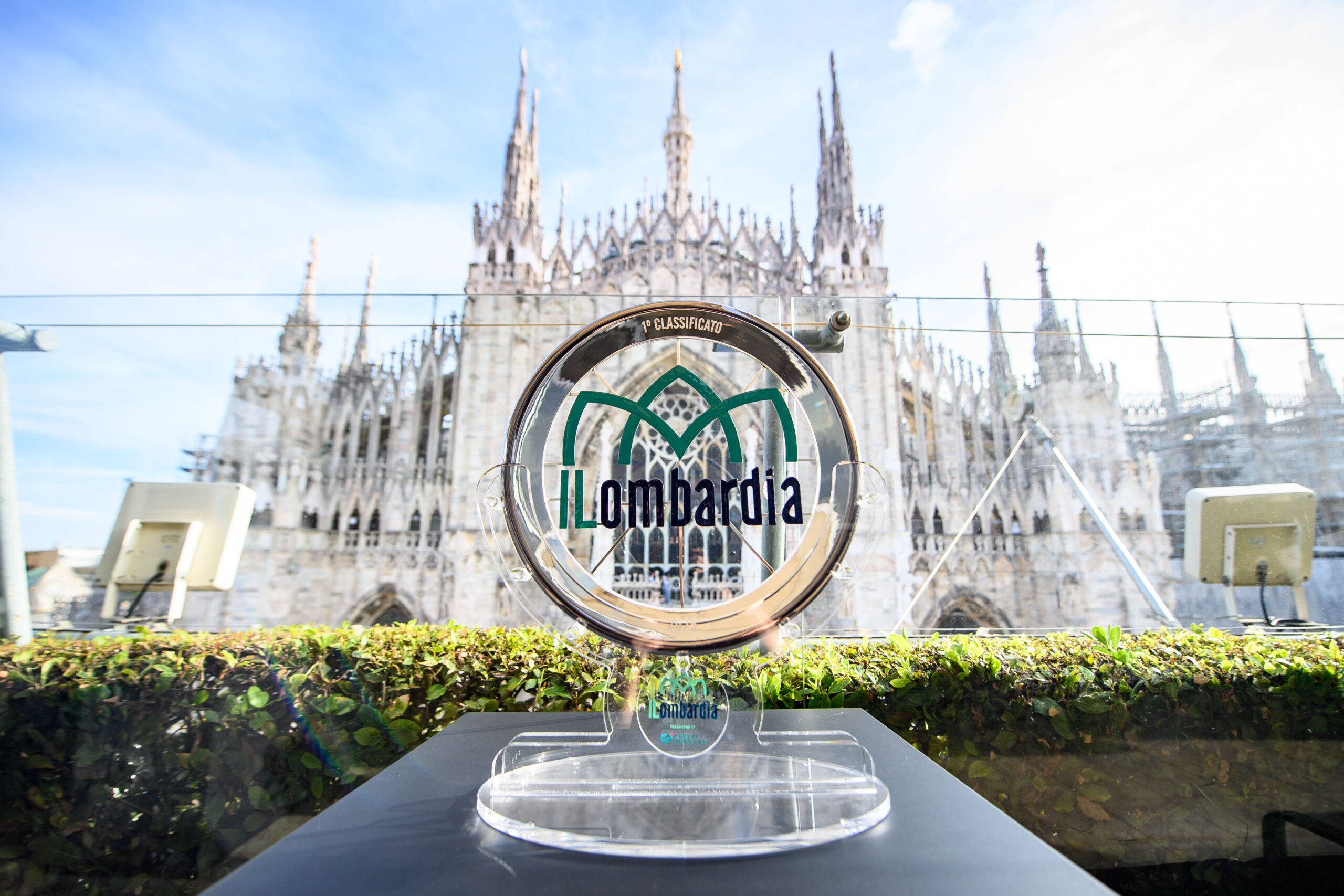
Il Lombardia presented by Crédit Agricole 2025 | Route Presentation
16/09/2025News Il Lombardia 2025
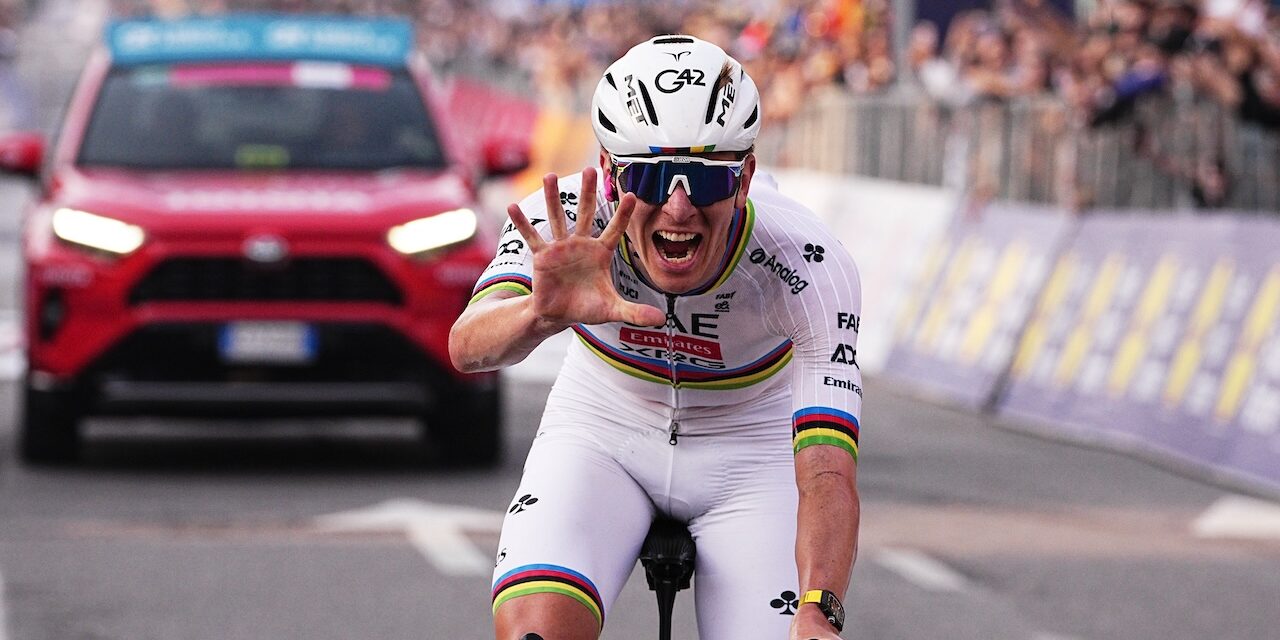
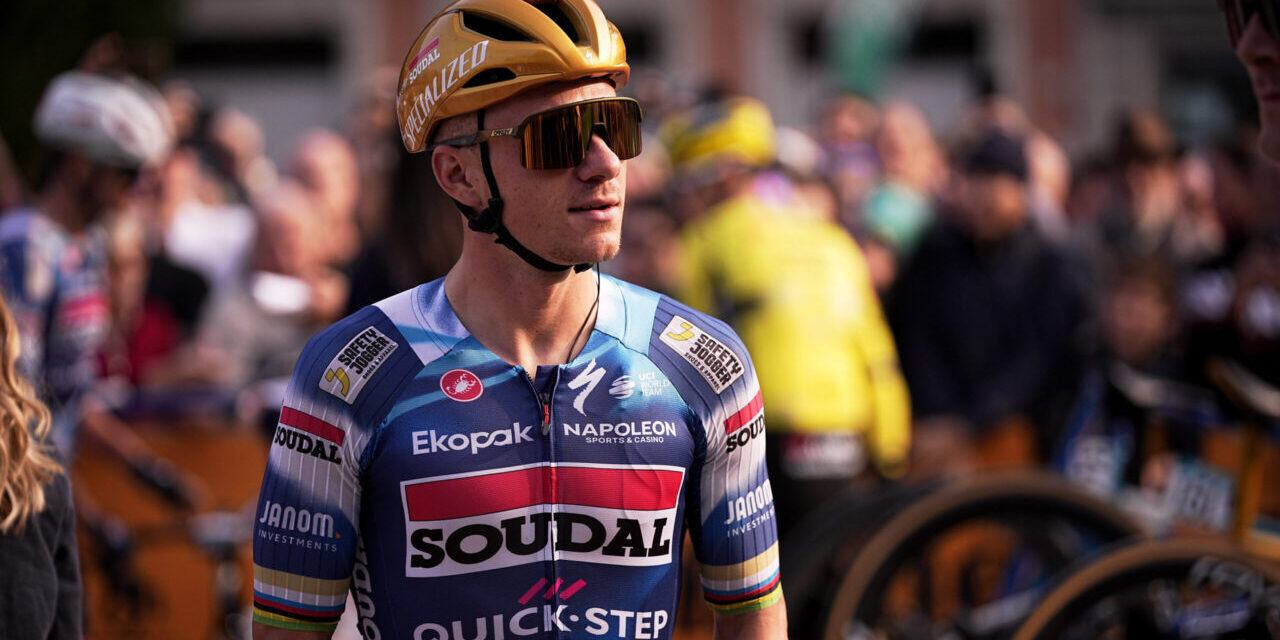
Evenepoel second again behind Pogačar: a world-class podium at Il Lombardia 2025
11/10/2025
Tadej Pogačar wins Il Lombardia 2025
11/10/2025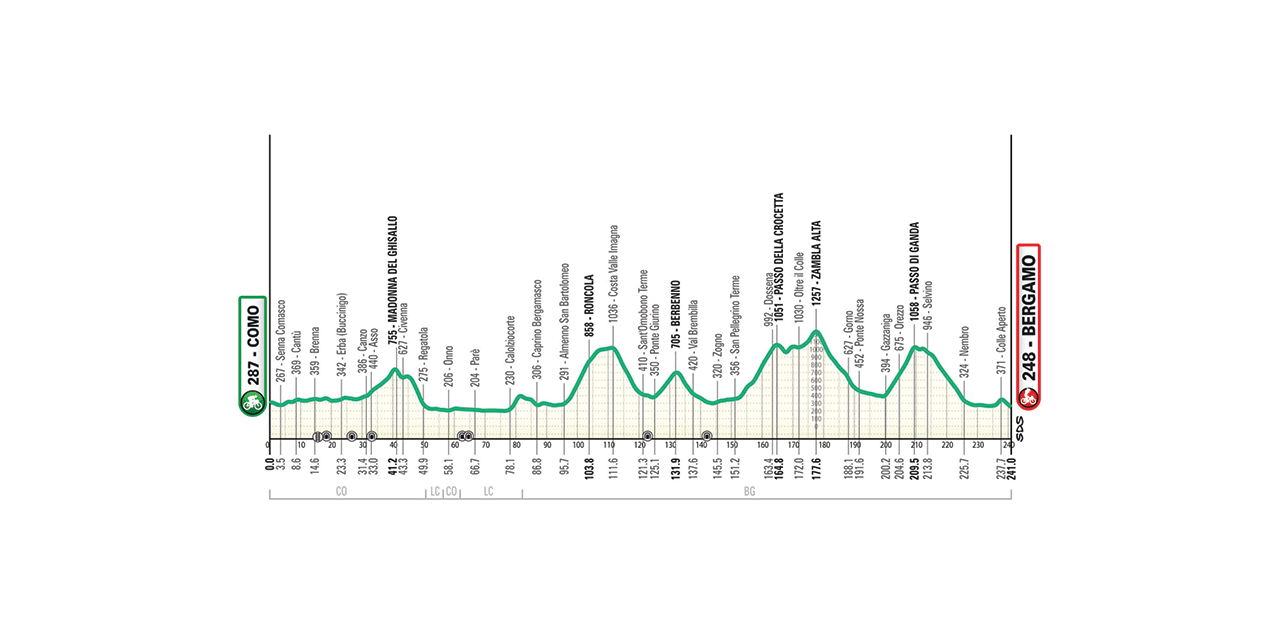
Il Lombardia 2025 - All You Need to Know: Route, Favorites, and Timetable
11/10/2025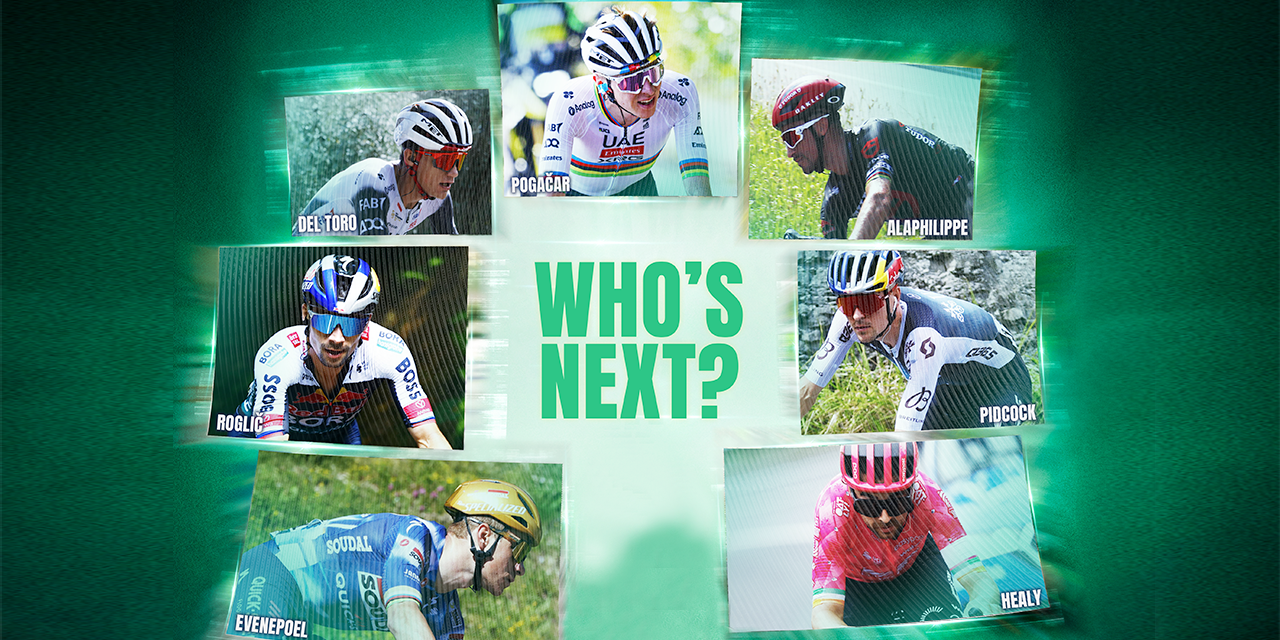
Il Lombardia 2025: Pogi Chasing the Record, Evenepoel Out to Spoil the Party. And Del Toro…
10/10/2025